
The exterior walls of your home serve as the first impression, the architectural statement that defines your property’s character before anyone steps through the front door. Whether you’re building a new home, renovating an existing structure, or simply looking to refresh your home’s curb appeal, the exterior wall treatment you choose will profoundly impact both the aesthetic appeal and functional performance of your residence. From timeless brick and stone to contemporary metal cladding and innovative sustainable materials, today’s exterior wall options offer an unprecedented range of possibilities to express your personal style while addressing practical considerations like weather resistance, maintenance requirements, and energy efficiency.
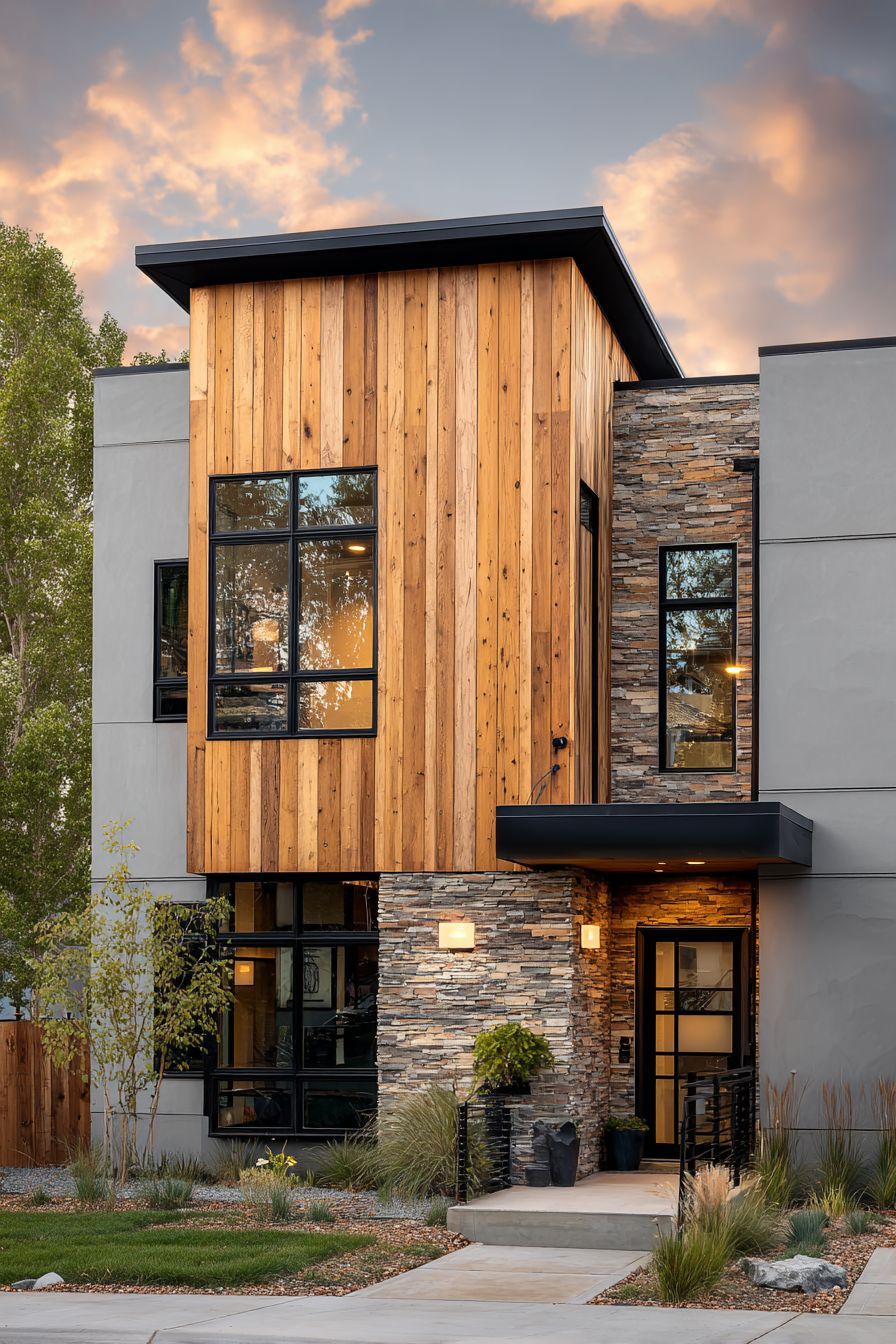
The beauty of modern exterior wall design lies in its diversity and adaptability. Homeowners are no longer constrained by regional limitations or traditional expectations. Contemporary architecture embraces material mixing, where wood siding might complement smooth stucco, or natural stone could transition seamlessly into sleek metal panels. These combinations create visual interest while allowing each material to perform its specific function optimally. The following collection showcases twenty-seven distinct approaches to exterior wall design, each demonstrating how thoughtful material selection, proper installation techniques, and attention to architectural detail can transform an ordinary facade into an extraordinary expression of design vision.
As you explore these exterior wall ideas, consider not only the immediate visual impact but also the long-term implications of your choices. Climate conditions, maintenance commitment, budget parameters, and architectural style compatibility all play crucial roles in determining the most appropriate solution for your specific situation. Whether you’re drawn to the rustic authenticity of weathered cedar shingles, the sophisticated minimalism of board-formed concrete, or the timeless elegance of painted brick, each option presented here offers unique advantages and design opportunities that can elevate your home’s exterior to new heights of architectural distinction.
1. Modern Horizontal Charcoal Wood Siding

The contemporary appeal of horizontal wood siding in rich charcoal grey tones creates an immediately striking facade that commands attention while maintaining sophisticated restraint. Western red cedar planks, stained in deep charcoal hues, showcase the natural grain patterns inherent in quality wood products, with each plank displaying subtle color variations that prevent the surface from appearing flat or monotonous. This treatment works exceptionally well on modern suburban homes where clean lines and minimalist aesthetics define the architectural vocabulary. The horizontal orientation of the planks creates visual width, making the home appear more grounded and substantial within its landscape setting.

The integration of black aluminum trim frames around windows establishes crisp, defined edges that enhance the geometric precision of contemporary design. This trim work serves both functional and aesthetic purposes, protecting vulnerable transition points while reinforcing the clean-lined philosophy that characterizes modern architecture. The contrast between the matte charcoal wood and the slightly more reflective black aluminum creates subtle visual interest without introducing competing color schemes or disrupting the monochromatic palette.

Natural wood siding requires thoughtful consideration of weathering characteristics and maintenance requirements. Charcoal-stained cedar will develop a weathered patina over time, with UV exposure gradually softening the initial intensity of the stain color. This evolution can be viewed as either desirable character development or as a signal for maintenance intervention, depending on the homeowner’s preferences and aesthetic goals. Professional installation ensures proper water management behind the siding through the use of weather-resistant barriers and adequate ventilation space, preventing moisture accumulation that could compromise wood integrity.

Lighting considerations significantly impact how charcoal wood siding appears throughout the day. During soft afternoon light, the dark surface absorbs warmth from the sun, creating subtle highlights along the wood grain that add dimensional quality to the facade. Strategic landscape lighting positioned to graze the siding surface at night can dramatically emphasize texture and create sophisticated evening curb appeal. The architectural photography techniques used to capture this treatment emphasize wide-angle perspectives that showcase the full wall elevation while maintaining proper proportions and highlighting authentic wood texture details.
Key Design Tips:
- Select premium-grade Western red cedar for superior weather resistance and dimensional stability
- Apply multiple coats of high-quality semi-transparent stain to achieve rich, even color saturation
- Install siding over proper rain screen systems to promote air circulation and moisture management
- Coordinate window and door trim colors carefully to maintain cohesive design aesthetic
- Plan for regular maintenance including cleaning and re-staining every 3-5 years depending on exposure
- Consider board widths between 6-8 inches for optimal visual proportion on residential facades
- Ensure proper overhang protection from roof eaves to minimize direct water exposure on siding
2. Classic Red Brick Flemish Bond Facade

Traditional red brick construction represents one of the most enduring and universally appreciated exterior wall treatments in residential architecture. The Flemish bond pattern, characterized by alternating headers and stretchers in each course, creates visual texture and dimensional interest that distinguishes superior masonry work from standard running bond installations. This centuries-old technique demonstrates craftsmanship while providing structural benefits through its interlocking configuration. The natural color variations inherent in fired clay bricks—ranging from deep burgundy to warm orange-red tones—create an organic, ever-changing surface that appears different under varying light conditions throughout the day.

The mortar joints play a crucial role in defining the overall appearance of brick facades. Light grey mortar creates distinct definition between individual bricks, emphasizing the pattern and allowing each unit to read clearly as a separate element in the composition. The joint profile, whether struck, raked, or weathered, affects shadow patterns and the overall character of the wall surface. Properly executed mortar work not only enhances aesthetics but ensures long-term performance by creating weather-tight seals that prevent water infiltration while allowing necessary vapor transmission.

White painted wood trim accenting windows and corners provides classic contrast that has defined traditional brick architecture for generations. This combination honors historical precedent while remaining entirely relevant in contemporary residential design. The crisp white trim creates visual frames that draw attention to architectural features and openings, breaking up large expanses of brick and adding vertical or horizontal emphasis depending on placement. Corner boards in particular help define the building’s form and create clean transitions where walls meet.

The dimensional quality of brick masonry becomes most apparent when captured through proper architectural photography techniques. Natural daylight photography emphasizes how individual bricks project and recede slightly from the overall wall plane, creating micro-shadows that give the surface life and movement. The texture becomes particularly pronounced when viewed from oblique angles where the three-dimensional nature of the stacked units becomes most evident. Authentic masonry details, including proper brick selection, consistent mortar thickness, and appropriate weep hole placement, all contribute to creating a facade that will age gracefully while maintaining structural integrity for decades.
Key Design Tips:
- Source bricks with slight color variation rather than perfectly uniform units for authentic appearance
- Maintain consistent 3/8-inch mortar joints throughout for professional finished appearance
- Specify light grey mortar for traditional brick colors to maximize pattern visibility
- Ensure proper flashing installation at all horizontal transitions and above openings
- Include weep holes at base of walls and above windows for moisture management
- Consider brick size carefully; modular bricks (2-1/4″ x 7-5/8″) create different proportions than king-size units
- Plan exterior electrical and plumbing penetrations during construction phase to avoid cutting finished brickwork
3. Smooth Beige Stucco Mediterranean Elegance

Smooth stucco finishes in warm beige tones evoke the timeless appeal of Mediterranean architecture, creating facades that feel both elegant and relaxed. The hand-applied nature of quality stucco work produces subtle surface variations and trowel marks that distinguish authentic craftsmanship from mechanically sprayed alternatives. These slight irregularities catch and reflect light differently throughout the day, preventing the surface from appearing flat or lifeless. The warm beige color palette works harmoniously with natural landscapes while providing a neutral backdrop that allows architectural features, landscaping elements, and accent materials to take center stage.

The texture of properly applied stucco results from multiple coat applications, each serving specific structural and aesthetic functions. The scratch coat provides adhesion and structural base, the brown coat creates level surface and bulk, and the finish coat delivers the final color and texture. Traditional three-coat stucco systems installed over wire lath and building paper create durable, weather-resistant walls that can last for generations with minimal maintenance. The subtle texture created by skilled trowel work adds visual interest without overwhelming the clean, sophisticated aesthetic that characterizes Mediterranean design.

Terracotta tile accents at foundation level introduce warm reddish-brown tones that complement the beige stucco while grounding the structure visually. This combination references traditional Mediterranean construction methods where different materials served specific functional purposes—stucco for walls and tile for areas requiring enhanced water resistance. The horizontal band of tile creates visual weight at the base of the structure while adding color and pattern contrast that enlivens the composition without disrupting its fundamental simplicity.

Morning light reveals the nuanced surface quality of hand-applied stucco most effectively. The low angle of early sun creates subtle shadows in trowel marks and surface undulations, emphasizing the handcrafted nature of the finish. Professional architectural photography captures these surface texture nuances through balanced exposure settings that preserve both highlight and shadow detail. The authentic material application becomes evident when examining how the stucco transitions at corners, around openings, and where it meets other materials—clean, precise edges indicate skilled craftsmanship and proper installation technique.
Key Design Tips:
- Specify three-coat stucco systems for maximum durability and authentic appearance
- Select warm beige tones that complement regional landscape and architectural context
- Install proper water-resistant barriers and flashing before stucco application
- Use control joints strategically to manage cracking from building movement and temperature changes
- Consider smooth or light sand float finishes for Mediterranean styling rather than heavy textures
- Maintain minimum 6-inch clearance between stucco and grade to prevent moisture wicking
- Apply quality acrylic or elastomeric topcoat for enhanced weather resistance and color retention
4. Vertical Board-and-Batten Farmhouse White

Vertical board-and-batten siding painted in classic farmhouse white creates bold linear patterns that emphasize height while honoring rural architectural traditions. This siding style, characterized by wide vertical boards with narrow battens covering the joints, originated in agricultural buildings where vertical orientation provided superior weather protection for barn structures. Contemporary applications translate this practical heritage into refined residential design that works equally well on modern farmhouses, transitional homes, and even contemporary structures seeking textural interest and vertical emphasis. The strong shadow lines created by the battens add three-dimensional quality that prevents white surfaces from appearing flat or featureless.

The wood grain texture remains subtly visible beneath quality paint applications, providing organic character that connects the manufactured surface to its natural material origins. This slight texture proves particularly important on white surfaces where the absence of color variation might otherwise create monotonous expanses. The shadow lines created by battens introduce regular rhythm and pattern that guides the eye vertically, making structures appear taller and more elegant. The spacing of battens, typically between 12 and 24 inches on center, affects the overall visual density and character of the pattern—wider spacing creates bold statements while narrower spacing produces more refined, traditional appearances.

Black metal roofing provides dramatic contrast that has become a hallmark of contemporary farmhouse design. This high-contrast pairing creates immediate visual impact while referencing agrarian building traditions where dark roofs absorbed solar heat and light walls reflected it. The combination proves timelessly appealing because it establishes clear hierarchy—the dark roof appears to shelter and protect while the light walls open and welcome. This relationship works particularly well when captured photographically with natural diffused lighting that emphasizes the vertical siding pattern without creating harsh shadows that might obscure texture details.

Authentic construction details distinguish quality board-and-batten installations from inferior alternatives. Proper installation includes maintaining consistent reveals at windows and corners, ensuring adequate expansion gaps between boards to accommodate wood movement, and using appropriate fastening techniques that prevent board cupping and splitting. The realistic gaps and joints between boards, rather than being flaws, represent proper attention to wood’s natural behavior in response to moisture and temperature fluctuations. These details, when executed correctly, ensure the siding will perform reliably while maintaining its aesthetic appeal for decades.
Key Design Tips:
- Use nominal 1×8 or 1×10 boards with 1×2 or 1×3 battens for traditional proportions
- Apply two coats of quality exterior paint over properly primed wood for longevity
- Install battens over board joints with small gap at bottom for water drainage
- Coordinate batten spacing with window and door placement for visual harmony
- Consider pre-primed or pre-painted products for consistent factory-applied finish
- Maintain 6-inch minimum clearance from siding to grade or paving surfaces
- Use stainless steel or coated fasteners to prevent rust staining on white surfaces
5. Natural Grey Limestone Contemporary Luxury

Natural grey limestone cladding elevates residential facades into the realm of high-end contemporary architecture through its inherent elegance and sophisticated material presence. Large format stone panels showcase the geological beauty of limestone, revealing authentic sedimentary layers, fossil inclusions, and subtle color variations that make each panel unique. The dry-stacked appearance, achieved through minimal grout lines and precise cutting, emphasizes the substantial nature of the material while creating clean horizontal lines that characterize contemporary design. Grey limestone offers particular versatility, ranging from cool blue-greys to warmer tan-greys, allowing designers to fine-tune the palette to complement specific architectural visions.

The dimensional quality of limestone cladding becomes most apparent when viewed under side lighting conditions. Late afternoon sun grazing across the facade reveals subtle surface undulations, the texture of saw-cut or honed finishes, and the way individual panels project slightly from the wall plane at their edges. These micro-variations in surface and alignment create shadow patterns that give life to the stone surface, preventing it from appearing as a mere applied veneer. The substantial thickness of quality limestone panels—typically 1.5 to 3 inches—allows for reveals and joints that emphasize the authentic nature of the material rather than attempting to disguise its application method.

Professional installation of limestone cladding requires specialized expertise to ensure proper support, weather protection, and long-term performance. Stone panels must be mechanically anchored to structural backing with provisions for drainage and ventilation behind the stone. The dry-stacked appearance demands extremely precise panel cutting and alignment, as the minimal joint widths provide little tolerance for installation imperfections. Color selection proves crucial, as limestone varies significantly depending on quarry source, with some varieties offering dramatic veining or fossil patterns while others present more uniform appearances.

Architectural photography captures limestone facades most effectively when emphasizing both overall composition and material detail. Wide perspective shots demonstrate how stone installation patterns work across the facade, showing how panels align with windows, corners, and other architectural features. Close-up detail shots reveal the natural beauty of the stone itself—its color variations, surface texture, and geological characteristics. The interplay between these two scales of documentation helps viewers understand both the architectural impact and the material authenticity that makes limestone cladding such a powerful design choice.
Key Design Tips:
- Select limestone grades rated for exterior use in your specific climate zone
- Specify consistent panel sizes where possible to simplify installation and reduce waste
- Plan grout joint widths based on panel size and desired aesthetic—typically 3/8″ to 1/2″
- Install proper water management systems including flashings and weep screeds behind stone
- Consider honed or thermal finishes for contemporary applications rather than polished surfaces
- Seal limestone appropriately to prevent staining while allowing vapor transmission
- Budget adequately as quality limestone cladding represents premium investment with corresponding labor costs
6. Matte Black Corrugated Metal Industrial Modern

Corrugated metal siding in matte black finish brings industrial authenticity and contemporary edge to garage structures and auxiliary buildings. The vertical orientation of corrugated panels creates strong linear patterns while the material’s inherent structural properties allow for spanning between supports without additional backing in many applications. Matte black surfaces absorb light rather than reflecting it, creating dramatic contrast against lighter elements and maintaining visual consistency across varying light conditions. The industrial character of exposed fasteners and overlapping panel seams celebrates honest construction rather than concealing it, aligning with contemporary design philosophies that value material authenticity.

The subtle surface variations inherent in metal panels prevent matte black from appearing flat or two-dimensional despite its light-absorbing properties. Manufacturing processes create slight undulations and texture variations that catch light differently along the panel length, while the corrugation itself produces regular shadow patterns that add three-dimensional quality. These characteristics become most apparent when photographed with balanced exposure that captures both the material texture and its reflective qualities without overexposing highlights or blocking up shadows.

Raw steel beams serving as structural accent elements reinforce the industrial aesthetic while providing visual interest and architectural articulation. These exposed structural components demonstrate honest construction methodology where functional elements become decorative features. The combination of corrugated siding and structural steel creates material harmony—both elements honestly express their industrial origins while working together to create contemporary architectural character. Natural overcast lighting reduces glare on metal surfaces, allowing the true color and texture to read clearly without hot spots or excessive reflections.

The architectural perspective in documenting corrugated metal installations should emphasize building scale and modern material application. Wide-angle compositions show how the vertical panel rhythm works across the structure while medium-range shots reveal fastener patterns, panel overlaps, and connections to trim elements. The goal is to communicate both the bold simplicity of the overall treatment and the authentic construction details that give it credibility. Metal siding works particularly well on auxiliary structures where more aggressive industrial aesthetics complement rather than compete with primary residential architecture.
Key Design Tips:
- Specify galvanized or galvalume substrate beneath matte black finish for corrosion resistance
- Plan panel orientation and fastener placement to ensure proper water shedding
- Use closure strips at panel ends to prevent pest infiltration while allowing ventilation
- Coordinate trim pieces in matching or contrasting finishes depending on desired aesthetic
- Consider thermal expansion when detailing panel connections and transitions
- Install over proper water-resistant barriers despite metal’s inherent weather resistance
- Select panel profile depth based on span requirements and desired visual impact
7. Deep Navy Blue Fiber Cement Contemporary Coastal

Fiber cement panels in deep navy blue create striking contemporary facades that work particularly well in coastal settings where rich, saturated colors complement natural surroundings. Large-format panels installed with minimal visible joints produce seamless modern appearances that emphasize clean surfaces and geometric precision. Navy blue offers particular versatility as an exterior color, reading as sophisticated and bold without the severity of black, while providing dramatic contrast against white trim, natural wood accents, and landscape elements. The color’s association with maritime traditions makes it especially appropriate for coastal architecture while its contemporary depth suits modern design sensibilities.

The material properties of fiber cement make it ideal for achieving smooth, uniform surfaces across large wall expanses. Unlike wood siding that telegraphs substrate irregularities, fiber cement’s rigidity and dimensional stability create truly flat planes when installed over proper backing. This characteristic proves essential for contemporary designs where crisp edges and uninterrupted surfaces define the aesthetic. The factory-applied finish ensures color consistency across panels and superior UV resistance compared to field-applied paints, maintaining color integrity through years of sun exposure.

White trim boards framing openings provide crisp precision that sharpens the overall composition while honoring traditional architectural relationships. The high contrast between navy and white creates immediate visual impact, drawing attention to windows and doors while breaking up large wall expanses into more human-scaled components. The trim width—typically 3.5 to 5.5 inches—affects the visual weight of these frames, with wider trim creating more pronounced contrast and narrower trim offering subtler definition.

Golden hour photography with warm sunlight enhancing the rich blue color demonstrates how exterior colors shift throughout the day. The low-angle warm light of late afternoon or early morning adds golden tones that make navy blue appear richer and more complex, revealing subtle variations in surface sheen and emphasizing panel edges and transitions. Professional architectural photography showing material transitions, attention to installation details, and complementary landscaping context helps viewers understand how this bold color choice works within complete architectural compositions rather than as an isolated element.
Key Design Tips:
- Select fiber cement products rated for your specific climate zone and exposure conditions
- Specify factory-finished panels for superior color consistency and durability
- Plan panel joints to align with architectural features like window edges or floor lines
- Install panels over rainscreen systems to promote drainage and ventilation
- Use appropriate fasteners and follow manufacturer’s installation guidelines precisely
- Consider panel thickness based on substrate spacing—5/16″ for 16″ centers, thicker for wider spacing
- Maintain required clearances from grade, roof lines, and horizontal surfaces to prevent moisture damage
8. Weathered Grey Cedar Shingle Cape Cod Cottage

Natural wood shingles in weathered grey cedar embody the authentic coastal character of Cape Cod architecture while showcasing nature’s beautiful aging process. Cedar shingles naturally weather from their initial warm brown tones to sophisticated silvery-grey patinas through years of exposure to salt air, sun, and moisture. This transformation represents one of architecture’s most graceful aging processes, where materials improve aesthetically over time rather than deteriorating. The varied grey tones across individual shingles—some fully weathered, others still transitioning—create organic texture and color variation that manufactured products cannot replicate.

The authentic aging characteristics of cedar shingles include not just color changes but also subtle surface texture evolution. Weather exposure gradually erodes softer grain portions while harder grain stands slightly proud, creating fine relief patterns across each shingle’s surface. Individual shingles may cup slightly or develop hairline cracks—characteristics that add to rather than detract from the authentic coastal cottage aesthetic. White window trim provides traditional contrast that has defined New England architecture for centuries, creating crisp frames that stand out against the organic, textured shingle background.

Installation techniques significantly impact both the appearance and longevity of cedar shingle siding. Traditional applications use individual shingles hand-nailed with staggered joints and proper exposure (typically 5 inches for 16-inch shingles, 5.5 inches for 18-inch shingles). This labor-intensive process creates authentic random patterns where no two courses align perfectly—a characteristic that distinguishes quality shingling from panel alternatives attempting to mimic the appearance. Proper installation includes adequate ventilation behind shingles, appropriate flashing at all transitions, and careful attention to corners and trim details.

Soft daylight photography with professional exterior techniques reveals individual shingle characteristics while showing overall pattern development across wall surfaces. Detail shots capturing authentic coastal architectural styling communicate the natural weathering patterns and texture variations that make each shingled facade unique. The proper scale representation in photography helps viewers understand how the fine grain of individual shingles works cumulatively to create larger architectural surfaces, and how this treatment sits comfortably within traditional residential contexts.
Key Design Tips:
- Source premium-grade cedar shingles—clear grade for uniform appearance or #1 grade for cost-effective quality
- Allow untreated cedar to weather naturally rather than applying stains that must be maintained
- Install shingles over furring strips to create drainage cavity and promote air circulation
- Maintain consistent exposure across walls, adjusting slightly at corners and openings as needed
- Plan shingle coursing to align logically with windows, trim, and other architectural features
- Accept natural weathering variations as desirable character rather than defects requiring repair
- Clean out debris from behind shingles periodically to prevent moisture retention and decay
9. Mixed Material Reclaimed Barn Wood and White Siding

The combination of vertical reclaimed barn wood in natural brown tones with white-painted horizontal lap siding creates sophisticated material contrast that adds visual interest while respecting both rustic and refined design sensibilities. The transition between materials at mid-wall height establishes clear horizontal division that can align with interior floor levels, emphasize architectural features, or simply create aesthetic interest through material change. Reclaimed barn wood brings authentic weathering, nail holes, saw marks, and color variation that manufactured products cannot replicate—each board tells a story through its surface characteristics and aging patterns.

The white-painted horizontal lap siding provides clean, traditional contrast to the rustic barn wood, establishing material hierarchy where each element enhances the other. The horizontal orientation of the lap siding creates visual width and traditional residential character while the vertical barn wood adds contemporary material interest and textural complexity. Black window frames serve as visual bridges between the two materials, providing neutral elements that work with both the dark barn wood and white siding while creating crisp definition around openings.

Material transitions require careful detailing to appear intentional and well-executed rather than arbitrary or awkward. The junction between barn wood and painted siding typically includes trim boards or metal flashing that creates clean separation while protecting the vulnerable horizontal joint from water infiltration. The proportion of each material—how much barn wood versus painted siding appears on the facade—dramatically affects the overall character, with equal divisions creating balanced compositions while unequal proportions generate more dynamic, contemporary statements.

Balanced natural lighting captured through architectural photography demonstrates material contrast while preserving authentic wood aging characteristics and thoughtful design proportion. The photography should reveal not just the bold visual impact of contrasting materials but also the detailed execution that makes the combination successful—proper alignment, consistent reveals, clean transitions, and appropriate fastening techniques. Context shots showing how the mixed-material facade relates to surrounding structures and landscape help establish that this treatment represents intentional design rather than jarring eclecticism.
Key Design Tips:
- Source reclaimed barn wood from reputable suppliers who properly clean, denail, and prepare boards
- Plan barn wood orientation and installation pattern before beginning to optimize board lengths
- Install reclaimed wood over proper water-resistant barriers despite its historical exposure
- Treat barn wood with clear preservatives that protect without altering patina
- Detail material transition joints carefully with proper flashing and trim
- Consider board widths and lengths when mixing materials to create balanced compositions
- Coordinate siding reveal patterns between materials where possible for visual harmony
10. Textured Board-Formed Concrete Minimalist Modern

Board-formed concrete panels in light grey create distinctive minimalist facades that celebrate the forming process as decorative element. The wood grain impressions left by form boards create subtle texture across concrete surfaces that add visual interest to what might otherwise appear as stark, featureless walls. This technique honors Brutalist architectural traditions while adapting them for contemporary residential scale and refined execution. The authentic wood grain patterns reveal construction methodology rather than concealing it, aligning with honest material expression that characterizes quality contemporary design.

The pattern created by form board alignment—whether horizontal, vertical, or even diagonal—significantly impacts the overall architectural character. Horizontal board patterns emphasize width and create strong shadow lines in low-angle light, while vertical patterns add height emphasis and create different shadow effects. The board width selected for forming (typically 1×4 through 1×12 depending on scale) affects texture density, with wider boards creating bolder, more pronounced patterns. Recessed panel joints designed into the concrete work create additional shadow lines that articulate large surfaces and manage cracking through strategic control joint placement.

The light grey color of concrete results from cement type, aggregate selection, and form release agents used during casting. This neutral tone works exceptionally well for minimalist modern homes where material authenticity matters more than applied color. The concrete surface may also reveal subtle color variations from different pours or slight variations in mix proportions—characteristics that add to rather than detract from its authentic material character. Professional architectural photography during midday with even lighting effectively reveals concrete texture details without excessive shadowing that might obscure surface characteristics.

Material close-ups showing realistic surface characteristics communicate the authentic nature of board-formed concrete while demonstrating construction quality. Wide-angle compositions showing contemporary design aesthetic help viewers understand how this dramatic material treatment works at full architectural scale. The documentation should reveal both the precise geometric control inherent in quality concrete work—straight edges, consistent reveals, level surfaces—and the organic texture contributed by wood forming patterns.
Key Design Tips:
- Select form board patterns and orientations early in design process as they affect structural layout
- Use quality form boards without defects that would telegraph negatively to concrete surface
- Apply form release agents consistently to achieve uniform concrete color across all panels
- Design control joints strategically to manage cracking while maintaining aesthetic intent
- Consider concrete mix design carefully to achieve desired final color and surface characteristics
- Plan for slight color variations between pours as acceptable characteristics rather than defects
- Seal concrete appropriately to prevent staining while preserving natural appearance
11. Mixed Earth Tone Cultured Stone Craftsman Style

Cultured stone veneer in mixed earth tones creates dimensional facades that honor Craftsman architectural traditions while offering practical installation advantages over full-depth natural stone. The individual stone pieces vary in size, shape, and color from warm tans to rich browns, creating organic patterns that reference natural fieldstone or quarried stone assemblies. This variation prevents the repetition patterns that can plague manufactured stone products when installers don’t carefully randomize piece placement. The irregular joints between stones, when kept relatively tight and filled with complementary mortar colors, enhance the natural appearance while providing structural stability and weather protection.

Wood brackets and beams serving as architectural detail elements reinforce Craftsman design vocabulary while creating visual interest and surface articulation. These elements, typically stained or painted to contrast with stone work, break up large stone expanses while demonstrating the structural expression that characterizes Arts and Crafts architecture. The combination of stone and wood honors early 20th-century building traditions where different materials served specific functional purposes—stone for durability at bases and wood for lighter upper-story construction.

Natural afternoon lighting conditions prove ideal for highlighting stone dimensionality and revealing the varied depths at which individual pieces project from the wall surface. The low-angle sun creates shadows behind thicker stones while illuminating faces of thinner pieces, emphasizing the three-dimensional quality that distinguishes stone veneer from flat siding materials. Professional exterior photography should capture authentic masonry installation characteristics including varied stone sizes, natural-looking joint patterns, proper mortar tooling, and appropriate architectural proportions for the Craftsman style.

The texture variations across cultured stone installations result from both the manufactured stone pieces themselves and the installation craftsmanship. Quality installations avoid obvious pattern repetition by turning stones different orientations, varying joint widths slightly within acceptable ranges, and carefully selecting adjacent stones for color and size contrast. The mortar color and joint profile significantly impact overall appearance—flush joints create continuous surfaces while recessed joints emphasize individual stones. Proper architectural proportions ensure stone application appears appropriate for the building scale rather than overwhelming smaller structures or appearing insufficient on larger ones.
Key Design Tips:
- Select cultured stone products with significant piece-to-piece variation to prevent obvious patterns
- Install stones in random patterns without stacking vertical joints or creating obvious repetition
- Choose mortar colors that complement dominant stone tones without excessive contrast
- Maintain consistent joint widths averaging 1/2 to 3/4 inch throughout installation
- Install over proper weather-resistant barriers and use metal lath for mechanical adhesion
- Detail stone terminations at corners, openings, and material transitions carefully
- Consider stone application height and extent based on building scale and style appropriateness
12. Charcoal Grey Vinyl Traditional Suburban

Vinyl siding in sophisticated charcoal grey brings contemporary color sensibilities to traditional lap siding profiles that define suburban residential architecture. Quality vinyl products feature realistic wood-grain embossing that creates subtle surface texture preventing the flat, plastic appearance associated with economy-grade products. The horizontal lap profile, typically 4 or 4.5 inches exposure, creates familiar residential character while the charcoal color updates the traditional treatment for contemporary tastes. This combination allows homeowners to achieve modern aesthetics within the practical and economic framework of vinyl siding’s advantages—minimal maintenance, color retention, and cost-effectiveness.

The siding profile creates shadow lines where each course overlaps the one below, adding dimensional quality that becomes most apparent when viewed from oblique angles or under side lighting. These shadow lines prevent large wall surfaces from appearing flat while establishing the regular rhythm that characterizes traditional lap siding. White corner boards and window trim provide classic contrast that has defined American residential architecture for generations, creating crisp frames and transitions that add visual interest while honoring conventional design relationships.

Professional exterior photography with balanced exposure demonstrates siding profile characteristics and shadow lines while capturing the authentic material finish under natural daylight. The photography should reveal how quality vinyl siding products have evolved beyond early generations’ limitations, now offering realistic textures, sophisticated colors, and credible wood-substitute performance. The architectural perspective should capture typical residential scale and context, showing how this practical siding choice works on everyday suburban homes rather than exotic architectural statements.

Installation quality dramatically impacts vinyl siding’s appearance and performance. Proper installation includes maintaining manufacturer-specified fastening patterns, allowing for thermal expansion and contraction, and creating clean transitions at corners, windows, and material changes. The siding should lie flat against the substrate without bulges or waves that indicate improper fastening or insufficient backing support. Quality installations also include appropriate j-channels, starter strips, and trim pieces that create finished appearances while protecting vulnerable edges and transitions from weather exposure.
Key Design Tips:
- Select premium-grade vinyl products with realistic textures and fade-resistant colors
- Specify 0.044-inch or thicker gauge for superior rigidity and impact resistance
- Install over flat, properly prepared substrates to prevent siding waviness
- Never face-nail vinyl siding; allow for proper expansion and contraction in fastening slots
- Use appropriate trim accessories to create finished appearances at all terminations
- Consider darker colors’ higher heat absorption when planning around south and west exposures
- Maintain proper clearances from roof lines, decks, and grade to prevent moisture damage
13. Natural Silver-Grey Zinc Metal Urban Townhouse

Zinc metal cladding in natural silver-grey patina brings sophisticated material presence to contemporary urban townhouse architecture. The standing seam panel configuration creates strong vertical lines that emphasize height while the material’s inherent properties allow for long-lasting, low-maintenance performance. Zinc naturally develops a protective patina over time, transitioning from bright metallic silver to sophisticated muted grey tones with subtle blue-grey undertones. This weathering process, far from being deterioration, actually enhances the material’s corrosion resistance while creating the coveted authentic aged appearance that distinguishes quality metal architecture.

The authentic weathering characteristics of zinc include subtle color variations across individual panels and graduated tones between areas receiving different exposure levels—more weathered on south and west faces, less pronounced on protected north elevations. These natural variations create visual interest across the facade while demonstrating honest material behavior rather than attempting to maintain uniform appearance through artificial means. Black aluminum window frames provide modern contrast and create crisp definition around openings, their dark tones working harmoniously with zinc’s grey palette while establishing clear material hierarchy.

Professional architectural photography during overcast conditions provides even lighting that reveals metal joinery details and authentic material aging without the hot spots and excessive reflections that can occur in direct sunlight. The standing seam connections between panels become significant design features in this lighting, creating regular vertical rhythms that articulate the wall surface. Detail shots of metal panel systems should reveal the precision joinery, weathertight connections, and quality craftsmanship that make metal cladding systems perform reliably in demanding urban environments.

Urban design context matters significantly for zinc-clad townhouses, as this material choice positions buildings within contemporary architectural discourse while distinguishing them from more conventional neighboring structures. The sophisticated material palette signals design consciousness while the low-maintenance characteristics suit urban lifestyles where building maintenance proves challenging. Wide-angle architectural photography showing building context helps demonstrate how zinc cladding can integrate successfully within diverse urban streetscapes while maintaining distinctive contemporary character.
Key Design Tips:
- Source quality zinc products specifically designed for architectural cladding applications
- Plan panel layouts to minimize waste while creating logical joint patterns
- Detail expansion joints appropriately to accommodate thermal movement in metal panels
- Install over proper rainscreen systems despite zinc’s weather resistance
- Avoid contact between zinc and incompatible metals that could cause galvanic corrosion
- Accept natural patina development as desirable weathering rather than requiring treatment
- Budget appropriately as zinc represents premium material investment with specialized installation requirements
14. Matte White Painted Brick Mid-Century Modern

Painted brick in matte white creates fresh contemporary facades while preserving the dimensional texture and authentic construction character of original masonry. The brick pattern remains clearly visible beneath paint coverage, with mortar lines creating subtle grid patterns that add visual interest to white surfaces that might otherwise appear flat or featureless. This treatment offers particular appeal for mid-century modern renovations where updating color palettes and refreshing appearances proves desirable without completely obscuring the original construction materials or methods.

The texture created by individual bricks projecting and receding slightly from the overall wall plane becomes especially important when painted white, as color alone cannot create the visual interest that natural brick colors provide. The dimensional quality prevents painted surfaces from reading as mere applied finish, instead celebrating the substantial masonry construction underneath. Natural wood accents at entries, around windows, or as decorative elements add warmth that balances white’s cool neutrality while introducing material contrast that enlivens the composition.

Soft morning light proves ideal for capturing painted brick, as low-angle illumination creates shadows in mortar joints and emphasizes the dimensional quality of masonry construction. Professional exterior photography showing paint coverage while maintaining brick character demonstrates how this treatment updates aesthetics without erasing architectural heritage. The photography should reveal proper paint application—full coverage without drips or holidays while maintaining mortar joint depth—and show how the updated facade relates to surrounding architectural context.

Paint selection matters significantly for brick surfaces. Quality acrylic latex paints formulated specifically for masonry offer vapor permeability that allows moisture trapped within brick to escape rather than being sealed behind impermeable coatings that could cause spalling. Proper surface preparation including cleaning, minor mortar repairs, and appropriate priming ensures paint adhesion and longevity. The matte finish prevents glare while emphasizing surface texture, creating sophisticated appearances that suit contemporary design sensibilities.
Key Design Tips:
- Clean brick thoroughly and repair any deteriorated mortar before painting
- Use quality masonry primers specifically formulated for brick substrates
- Select vapor-permeable paints that allow moisture transmission through masonry
- Apply paint with appropriate techniques to ensure full coverage including mortar joints
- Accept that painted brick requires periodic repainting unlike natural brick
- Consider the permanence of painting—removing paint from brick proves extremely difficult
- Plan complementary accent materials and colors to work with white brick backdrop
15. Warm Cedar Engineered Wood Mountain Contemporary

Engineered wood siding in warm cedar tones creates mountain contemporary facades that honor natural material aesthetics while offering enhanced dimensional stability and weather resistance. The tongue-and-groove panel configuration creates seamless installations with minimal visible joints, allowing wood grain patterns to flow continuously across wall surfaces. Realistic grain patterns printed or embossed into premium engineered wood products create authentic appearances that require close inspection to distinguish from solid wood alternatives, while the composite construction resists warping, splitting, and checking that can affect natural wood products.

The natural color variations across engineered wood surfaces prevent monotonous appearances while creating the organic character associated with natural materials. These variations, whether inherent in the manufacturing process or applied through multi-tone finishing techniques, add depth and visual interest that flat, uniform colors cannot achieve. Dark bronze metal accents—window frames, door hardware, lighting fixtures—complement warm wood tones while introducing sophisticated contrast that defines contemporary mountain architecture.

Golden hour photography with warm directional lighting captures the wood tone at its most appealing, as low-angle sunlight enriches color saturation while creating dramatic shadows that emphasize texture and dimensional details. Professional architectural photography should demonstrate authentic material installation including proper panel alignment, consistent reveals at openings, and clean transitions at corners and material changes. The natural setting integration proves particularly important for mountain contemporary designs, with photography showing how warm wood facades harmonize with forested or mountain landscapes rather than competing with them.

The benefits of engineered wood products include not just dimensional stability but also factory-applied finishes that provide superior UV resistance and moisture protection compared to field-applied treatments. These finishes, typically baked on during manufacturing, create durable surfaces that maintain color integrity through years of exposure. Installation follows similar principles to solid wood but with specific requirements regarding fastening, expansion gaps, and trim details that reflect the material’s composite construction rather than solid wood characteristics.
Key Design Tips:
- Select premium-grade engineered wood with realistic grain patterns and multi-tone finishes
- Follow manufacturer’s installation guidelines precisely regarding fastening and gaps
- Install over proper weather-resistant barriers despite factory-applied finishes
- Plan panel lengths to minimize joints while maintaining proper expansion allowances
- Coordinate trim and accent materials to complement warm wood tones
- Consider orientation—horizontal, vertical, or diagonal—based on architectural intent
- Budget for quality products as premium engineered wood approaches solid wood pricing
16. Smooth Grey Render European Modern

Smooth render finish in soft grey creates monolithic contemporary facades that characterize modern European architectural aesthetics. The seamless surface quality results from multiple coat applications troweled to precise flatness, creating walls that appear as continuous surfaces rather than assemblies of discrete components. This monolithic character suits contemporary design philosophies emphasizing pure form over ornamental detail, where building masses and geometric relationships create architectural interest rather than applied decoration. The soft grey color provides sophisticated neutrality that works with varying light conditions while avoiding the stark severity of pure white or the heavy appearance of dark colors.

The subtle trowel texture inherent in hand-applied render distinguishes quality work from mechanically sprayed alternatives, creating micro-variations in surface that catch light differently throughout the day. These slight irregularities prove desirable rather than problematic, demonstrating craftsmanship while preventing the surface from appearing lifeless or mechanically perfect. Clean, precise edges at corners and openings demonstrate superior workmanship, as render systems require skilled application to achieve crisp transitions and maintain consistent thickness across entire facades.

Aluminum window frames in dark grey provide contemporary detail that creates subtle contrast without disrupting the monochromatic color palette. The minimal frame profiles characteristic of European windows maximize glass area while introducing linear elements that articulate otherwise uninterrupted wall surfaces. Professional exterior photography with even natural lighting reveals surface quality and sophisticated color palette while demonstrating material application techniques that distinguish quality render work from mediocre installations.

Render systems offer advantages beyond aesthetics, including superior insulation performance when installed over rigid insulation boards and excellent weather protection when properly detailed. The seamless surface eliminates the joints and transitions that create vulnerability in other siding systems, though proper detailing at penetrations, grade transitions, and roof connections remains critical for long-term performance. The minimal joint lines and continuous surface prove particularly appealing for contemporary architecture where clean, uninterrupted surfaces define the aesthetic.
Key Design Tips:
- Specify modern polymer-modified render systems for superior flexibility and crack resistance
- Install over proper substrates including rigid insulation and weather-resistant barriers
- Detail expansion joints strategically to manage building movement without compromising aesthetics
- Use quality mesh reinforcement at all substrate transitions and around openings
- Apply multiple coats as specified by system manufacturer for proper thickness and performance
- Create drip edges and other water management details at horizontal surfaces and penetrations
- Select soft grey tones that complement regional architecture and landscape context
17. Varied Red-Orange Recycled Brick Industrial Conversion

Recycled brick in varied red and orange tones creates authentic industrial character perfect for adaptive reuse building conversions. The salvaged bricks display authentic aging characteristics including surface weathering, mortar remnants, and color variations that new bricks cannot replicate, even when artificially distressed. These variations tell stories of the bricks’ previous service while creating visually complex surfaces that change appearance under varying light conditions. The mix of colors ranging from deep burgundy through bright orange creates organic patterns that prevent monotony while honoring industrial building traditions where practical construction mattered more than aesthetic uniformity.

Mortar variations between courses and across wall surfaces add to the authentic aged character, as recycled brick installations typically cannot match mortar colors to original applications. This inconsistency, rather than being problematic, enhances the material’s historical resonance and authentic patina. Steel lintels over openings and exposed steel structural elements maintain industrial character while demonstrating honest construction methodology where functional elements become decorative features. The combination of weathered brick and raw steel creates material harmony appropriate for adaptive reuse projects.

Natural daylight photography emphasizes brick color diversity while revealing authentic masonry details that distinguish salvaged brick from new alternatives attempting aged appearances. The photography should capture both overall pattern and individual brick character, showing how accumulated age creates surfaces that new construction cannot replicate. Material history becomes central to the design narrative in adaptive reuse projects, with recycled materials connecting current occupancy to previous industrial uses in meaningful ways.

The adaptive design approach required for industrial conversions respects existing materials and construction while introducing contemporary elements necessary for modern occupancy. This balance between preservation and renovation creates design interest through temporal layering—historic materials and construction methods coexisting with contemporary interventions. Architectural photography should reveal how this balance succeeds, showing authentic historic elements alongside sensitive contemporary additions that enhance rather than obscure original building character.
Key Design Tips:
- Source recycled brick from reputable salvage suppliers who properly clean materials
- Accept color and size variations as desirable characteristics rather than defects
- Plan mortar colors to complement brick diversity while creating adequate joint definition
- Maintain structural stability during adaptive reuse work with appropriate engineering support
- Preserve and celebrate industrial elements like exposed steel and utilitarian details
- Detail contemporary additions to distinguish them from historic fabric while maintaining harmony
- Document existing conditions thoroughly before renovation to guide historically sensitive work
18. Rich Mahogany Composite Wood Tropical Contemporary

Composite wood panels in rich mahogany finish create sophisticated tropical contemporary facades that deliver wood aesthetics with enhanced durability. The horizontal panel configuration emphasizes width while realistic wood grain embossing creates authentic surface texture that resists the flat, artificial appearance of economy composite products. The deep reddish-brown tones of mahogany finishes bring warmth and elegance while UV-resistant pigments ensure color retention through intense tropical sun exposure that would rapidly fade natural wood.

Louver details integrated into the facade provide both aesthetic interest and practical ventilation, addressing climate-appropriate design requirements while creating shadow patterns and visual texture. These functional elements demonstrate thoughtful tropical design where architectural elements serve multiple purposes—beauty, sun shading, air circulation, and rain protection. The combination of solid panels and louver sections creates varied surface treatments that prevent monotony while responding logically to building orientation and functional requirements.

Afternoon shade photography with diffused lighting reveals material texture and installation quality without the harsh shadows and extreme contrasts that direct tropical sun can create. Professional exterior photography should demonstrate composite material quality while showing how color, texture, and functional elements work together to create climate-appropriate contemporary design. The documentation should reveal installation details including panel connections, louver mechanisms, and transitions to other materials that affect both aesthetics and performance.

Composite wood products offer particular advantages in tropical climates where humidity, intense UV exposure, and wood-boring insects challenge natural wood’s longevity. The engineered construction resists moisture absorption that causes swelling and rot while the factory-applied finishes provide superior color retention. Installation considerations include allowing for thermal expansion in high-temperature environments and ensuring proper ventilation behind panels to prevent heat buildup and promote drainage.
Key Design Tips:
- Select composite products specifically rated for tropical climate exposure
- Specify UV-resistant finishes formulated for high-intensity sun exposure
- Install with adequate expansion gaps to accommodate thermal movement
- Design louver systems to exclude rain while maximizing airflow
- Consider panel orientation relative to sun angles for optimal shading and ventilation
- Detail connections to prevent water infiltration at panel joints and penetrations
- Plan maintenance access for cleaning and periodic inspection of louver mechanisms
19. Grey-Tan Ledgestone Rustic Lodge

Natural stone veneer in stacked ledgestone style with grey and tan color mix creates authentic rustic lodge character that connects architecture to natural mountain settings. The irregular stone pieces varying in thickness create strong shadow lines and dimensional texture that becomes particularly dramatic under directional lighting. This three-dimensional quality distinguishes stone from flat materials, creating surfaces that change appearance dramatically as sun angles shift throughout the day. The color palette mixing cool greys with warm tans provides versatility, working with various complementary materials while reflecting natural stone diversity found in mountain environments.

Timber frame elements complementing the stonework honor traditional mountain lodge construction where massive logs and substantial stones created structures suited to harsh alpine conditions. The combination of stone and heavy timber demonstrates material hierarchy—stone for bases and accent elements, wood for upper walls and structural expression. This traditional relationship remains relevant in contemporary mountain architecture, even when using stone veneer rather than full-depth masonry and engineered timbers rather than whole logs.

Professional architectural photography during soft daylight captures stone installation patterns, natural color variations, and material dimensionality while avoiding the extreme contrasts that can occur in bright mountain sun. Detail shots should reveal how individual stones fit together in seemingly random but actually carefully planned patterns that distribute loads, minimize large mortar joints, and create visually pleasing compositions. The documentation should demonstrate quality stone veneer installation including proper backing, support, and weather protection systems.

The mountain home aesthetic depends significantly on material authenticity and connection to natural surroundings. Stone veneer must appear as substantial masonry rather than thin applied finish, requiring appropriate stone thickness, minimal obviously manufactured stone pieces, and mortar colors that complement rather than contrast with stone tones. The overall composition should suggest that the building grows from its mountain setting rather than being imposed upon it—a relationship that depends on thoughtful material selection, appropriate architectural scale, and sensitive site integration.
Key Design Tips:
- Select stone veneer with varied piece sizes and thickness for dimensional authenticity
- Mix stone colors throughout installation rather than clustering similar tones
- Use mortar colors that blend with dominant stone tones for natural appearance
- Install stones with varied depths projecting from wall surface for enhanced dimensionality
- Detail corners carefully using corner stones or interlocking flat stones for authentic appearance
- Provide proper structural support as stone veneer adds significant weight to walls
- Coordinate stone application areas with timber elements for balanced material distribution
20. Sage Green Hardie Board Modern Farmhouse

Hardie board siding with smooth finish in sage green creates fresh modern farmhouse facades that update traditional color palettes with contemporary sensibilities. The large horizontal planks characteristic of contemporary Hardie board applications create clean lines with minimal reveals, emphasizing the smooth surface finish rather than traditional lap siding texture. Sage green offers particular versatility as an exterior color, reading as sophisticated and nature-inspired without appearing trendy or dated. The color’s botanical association connects buildings to landscape while its muted saturation prevents overwhelming architectural forms.

White trim boards framing windows with precision create classic contrast that honors farmhouse traditions while the crisp execution suits contemporary aesthetic standards. The trim width and profile affect overall character—simple flat boards create modern simplicity while built-up profiles with reveals add traditional detail. The high contrast between sage green and white draws attention to openings and architectural features while breaking large wall expanses into more visually manageable components.

Golden hour photography with warm light enriching the green tone demonstrates how exterior colors shift and evolve throughout the day. The low-angle warm light adds golden undertones that make sage green appear richer and more complex, revealing subtle variations in surface sheen and emphasizing architectural details. Professional exterior photography should capture material transitions, authentic installation details, and the farmhouse-contemporary design balance that makes this treatment successful across diverse architectural contexts.

Hardie board’s fiber cement composition provides superior durability, fire resistance, and dimensional stability compared to wood siding while offering similar installation methods and finished appearances. The factory-applied finish ensures color consistency and superior UV resistance, maintaining appearance through years of exposure without the frequent repainting required by wood siding. The smooth finish proves easier to maintain than textured alternatives while creating contemporary surfaces that suit current design preferences.
Key Design Tips:
- Select factory-finished Hardie board for superior color consistency and durability
- Plan plank heights based on architectural scale—6 to 12 inches typical for residential
- Install over proper weather-resistant barriers despite fiber cement’s inherent resistance
- Detail window and door trim carefully to create crisp transitions and proper flashing
- Use appropriate fasteners and follow manufacturer spacing requirements precisely
- Maintain proper clearances from grade, decks, and roof lines
- Consider accent colors for doors, shutters, or detail elements to complement sage green
21. Grey Split-Face Concrete Block Mid-Century

Architectural concrete blocks in split-face finish with grey tones create authentic mid-century modern character through honest material expression and textured surfaces. The split-face finish results from mechanically breaking concrete blocks during manufacturing, exposing aggregate and creating irregular rough surfaces that contrast dramatically with smooth concrete or painted masonry. This texture creates dramatic shadow patterns when illuminated by directional lighting while providing visual interest across large wall surfaces that might otherwise appear monotonous.

Floor-to-ceiling windows characteristic of mid-century modern design provide dramatic contrast to substantial masonry walls while establishing the transparency and indoor-outdoor connection that defined this architectural movement. The relationship between solid masonry and extensive glazing creates functional benefits—thermal mass for temperature moderation and views for visual connection—while demonstrating the period’s design philosophy celebrating material honesty and functional clarity.

Balanced natural lighting proves essential for capturing concrete block texture while avoiding excessive shadows that could obscure architectural composition. Professional architectural photography should reveal masonry pattern regularity, authentic concrete characteristics including aggregate exposure and color variation, and period-appropriate design execution. The documentation should demonstrate how split-face block creates visual interest through texture while maintaining the strong geometric clarity that characterizes mid-century modern architecture.

The dimensional quality of split-face concrete block becomes most apparent when viewed from oblique angles where individual block edges and the irregular broken surfaces create complex shadow patterns. Standard 8x8x16 inch concrete blocks installed in running bond create familiar patterns while the split-face texture transforms ordinary masonry into sculptural surfaces. Color selection affects overall character, with lighter greys creating softer appearances while darker tones add dramatic intensity appropriate for mid-century modern’s bold aesthetic.
Key Design Tips:
- Select quality split-face blocks with consistent aggregate exposure and texture
- Maintain consistent mortar joints throughout—typically 3/8 inch for architectural block
- Use grey mortar colors that blend with block tones rather than creating excessive contrast
- Detail window and door openings carefully to create clean transitions from textured walls
- Consider block orientation relative to primary views and lighting conditions
- Preserve authentic mid-century details like expressed lintels and geometric ornament
- Clean split-face blocks carefully to remove mortar smears without damaging texture
22. Bronze Metallic Insulated Metal Panel Contemporary Commercial

Insulated metal panels in bronze metallic finish create sophisticated contemporary facades appropriate for commercial-residential hybrid buildings. The horizontal panel configuration with subtle ribbing creates regular pattern while crisp reveals between courses emphasize the manufactured precision of metal panel systems. Bronze metallic finishes bring warmth and elegance uncommon in metal cladding while the slight reflectivity creates surfaces that change appearance under varying light conditions—appearing darker and richer in shade, lighter and more luminous in direct sun.

Large format glazing balances the metal cladding, creating material contrast while introducing transparency and visual lightness. The relationship between solid panels and glass establishes rhythm and proportion across the facade while serving functional purposes—glazing for daylighting and views, panels for weather protection and insulation. This balance characterizes contemporary commercial architecture where performance requirements and aesthetic ambitions both demand satisfaction.

Professional exterior photography during overcast conditions minimizes glare and excessive reflections that can obscure metal panel details and installation quality. The even lighting reveals panel system characteristics including rib patterns, reveals, panel connections, and transitions to other materials. Architectural photography should demonstrate modern design execution and urban context, showing how bronze metal cladding creates distinctive contemporary character within diverse architectural surroundings.

Insulated metal panels offer superior thermal performance compared to non-insulated cladding systems, with rigid insulation cores providing R-values that meet or exceed code requirements. The panel systems install rapidly compared to traditional cavity wall construction while providing weather-tight building envelopes. Installation requires specialized equipment and training, with precise panel alignment and proper fastening critical for both appearance and performance. The reveals between panels serve aesthetic purposes while accommodating thermal movement in metal panel systems.
Key Design Tips:
- Select panel systems with appropriate insulation values for climate zone requirements
- Plan panel layouts to minimize waste while creating logical joint patterns
- Detail corners, openings, and terminations carefully using manufacturer-supplied accessories
- Specify metallic finishes with appropriate UV protection to prevent color degradation
- Install panels over proper substrates with adequate structural support
- Consider thermal expansion when detailing panel connections and reveals
- Budget appropriately as insulated metal panels represent premium cladding investment
23. Natural Clear-Finished Cypress Coastal Cottage

Natural cypress wood siding with clear finish creates authentic coastal cottage character while showcasing beautiful wood grain and natural color variation. Cypress displays inherent rot resistance that makes it ideal for humid coastal environments where other woods might deteriorate rapidly. The wood’s natural color ranges from honey tones to light brown with distinctive grain patterns visible through clear finishes. Clear finishing allows wood character to remain fully visible while providing UV and moisture protection that extends service life.

White painted trim provides nautical-inspired contrast that has defined coastal architecture for generations, creating crisp frames around openings while establishing traditional color relationships. The high contrast between natural wood tones and white trim creates immediate visual impact while honoring regional architectural traditions. This combination proves timelessly appealing because it connects architecture to maritime heritage while remaining entirely appropriate for contemporary coastal design.

Morning light photography with professional exterior techniques captures wood characteristics including grain patterns, natural color variation, and finish quality. Detail shots should reveal coastal weathering considerations including how clear finishes protect while allowing wood’s natural beauty to remain visible. The documentation should demonstrate proper siding installation including adequate ventilation, appropriate fastening, and careful attention to corners and trim details that affect both appearance and performance.

Clear-finished cypress requires regular maintenance including periodic cleaning and finish reapplication to maintain protective properties and appearance. The natural weathering process gradually lightens wood color unless UV-blocking finishes prevent this change. Beachside architectural appropriateness depends not just on material selection but proper detailing to manage salt air exposure, high humidity, and intense sun—all characteristics of coastal environments that affect material longevity and appearance.
Key Design Tips:
- Source quality cypress—old-growth tidewater cypress offers superior rot resistance
- Apply clear finishes with UV inhibitors to slow natural weathering process
- Install siding over ventilated rainscreen systems to promote drainage and drying
- Plan for regular maintenance including cleaning and finish reapplication every 2-3 years
- Detail carefully around openings and at grade transitions to prevent moisture infiltration
- Accept gradual color lightening as natural weathering unless UV finishes prevent it
- Consider board-and-batten or tongue-and-groove configurations for coastal cottage character
24. Warm Terracotta Stucco Southwestern Adobe

Stucco over rigid insulation in warm terracotta tone creates authentic southwestern adobe-style facades that honor regional architectural traditions. The slightly textured hand-applied finish shows craftsmanship characteristics including subtle trowel marks and surface undulations that distinguish authentic stucco from mechanically sprayed alternatives. Terracotta color connects architecture to earth and regional landscape while providing warmth that balances southwestern sun intensity. The color ranges from soft peach tones through deeper burnt orange, with specific hue selection affecting whether the building appears traditional or contemporary.

Rounded corners soften architectural forms in ways that distinguish southwestern design from angular contemporary or traditional rectangular geometries. These curves reference traditional adobe construction where mud bricks created naturally rounded corners, while also serving practical purposes by eliminating vulnerable 90-degree angles where stucco might crack or chip. The gentle curves create organic forms that harmonize with natural landscape rather than imposing rigid geometry upon it.

Late afternoon photography with warm directional lighting emphasizes stucco texture and authentic southwestern design elements. The low-angle sun creates dramatic shadows at rounded corners and reveals surface texture through grazing light across walls. Professional architectural photography should capture material application details, regional architectural character, and how the warm terracotta color works within desert or southwestern landscape contexts.

Southwestern architectural character depends on more than just stucco color—proportions, window patterns, roof forms, and landscape integration all contribute to authentic regional expression. Stucco systems must be properly detailed for climate conditions including intense sun exposure, minimal rainfall, and significant temperature swings. Modern stucco over rigid insulation provides superior energy performance compared to traditional adobe while achieving similar aesthetic results when properly finished and detailed.
Key Design Tips:
- Select warm terracotta colors that reference regional earth tones appropriately
- Apply hand-troweled finishes for authentic adobe character rather than machine spray
- Detail rounded corners with proper metal lath reinforcement to prevent cracking
- Install over adequate rigid insulation for energy performance in extreme climates
- Plan window patterns and proportions appropriate for southwestern design traditions
- Coordinate with landscape design to create integrated southwestern aesthetic
- Maintain stucco with periodic inspection and prompt repair of any cracks or damage
25. Dark Walnut Pine Vertical Modern Cabin

Vertical tongue-and-groove pine siding stained in dark walnut creates striking modern cabin facades through strong vertical rhythm and rich color saturation. The narrow boards installed vertically create powerful linear patterns that emphasize height while the tight-fitting tongue-and-groove joints minimize visible gaps for clean contemporary appearances. Dark walnut stain allows wood grain to remain visible while dramatically transforming the wood’s natural light color into sophisticated deep brown tones that create drama and contemporary edge.

Natural stone foundation anchors the design both literally and visually, grounding the dark wood upper walls while providing material contrast and textural interest. This traditional construction hierarchy—stone below, wood above—references historical building practices while remaining entirely appropriate for contemporary cabin design. The stone foundation also addresses practical concerns by elevating wood away from grade moisture and providing durable, low-maintenance base that withstands snow, mud, and ground moisture.

Forest-filtered daylight creates ideal lighting conditions for photographing dark-stained wood, as the diffused light reveals wood stain finish quality without excessive contrasts or blocked shadows that might obscure texture. Professional exterior photography should demonstrate vertical pattern impact, cabin contemporary styling, and natural setting harmony. The documentation should show how dark wood facades can successfully integrate into forest settings rather than appearing alien or intrusive within natural surroundings.

Dark stains require careful application to achieve even color saturation without lap marks or streaking. Quality penetrating oil-based stains soak into wood fibers rather than sitting on the surface, allowing grain patterns to remain visible while dramatically changing color. The vertical orientation provides practical benefits including superior water shedding compared to horizontal applications, as water runs down board faces rather than collecting on horizontal edges where it could cause rot.
Key Design Tips:
- Select clear or premium-grade pine for minimal knots and consistent grain patterns
- Apply stain in consistent coats following grain direction for even color saturation
- Install boards over ventilated cavity to promote air circulation behind siding
- Detail base transition to stone foundation carefully with proper flashing and trim
- Plan for periodic stain maintenance to preserve color intensity and wood protection
- Consider board widths between 3-6 inches for appropriate vertical pattern density
- Coordinate window and trim colors to complement dark walnut without excessive contrast
26. Colonial Blue Fiber Cement Traditional New England

Fiber cement lap siding in classic colonial blue creates timeless New England style facades through authentic color selection and proper historical proportions. The narrow horizontal boards showing realistic wood grain texture reference traditional wood clapboard while offering fiber cement’s superior durability and dimensional stability. Colonial blue represents one of the historically authentic exterior colors popular in 18th and 19th century New England architecture, creating immediate regional identification while remaining entirely appropriate for contemporary construction.

White window trim and corner boards maintain period accuracy while providing crisp contrast that has defined traditional New England architecture for centuries. The trim creates visual frames that draw attention to openings while breaking up wall surfaces into more human-scaled compositions. The trim width—historically between 3.5 to 5.5 inches—affects the visual weight and traditional authenticity, with narrower trim appearing more refined and wider trim creating bolder statements.

Natural daylight photography reveals siding color depth while demonstrating authentic lap siding installation characteristics including consistent exposure, proper board alignment, and traditional proportions. Detail shots should show realistic grain texture embossed into fiber cement surfaces, appropriate reveal spacing between courses, and proper trim integration. The documentation should communicate timeless residential design that honors New England architectural heritage while utilizing modern materials that offer practical advantages.

The historically appropriate reveal spacing—typically 4 to 4.5 inches for traditional New England clapboard—creates familiar residential character that distinguishes traditional from contemporary applications. This tight spacing results from historical clapboard dimensions and creates the fine-grain texture associated with colonial architecture. Installation quality proves critical for authentic appearance, with consistent reveals, straight courses, and proper trim integration all contributing to successful traditional design execution.
Key Design Tips:
- Select factory-finished fiber cement for consistent colonial blue color
- Specify narrow lap siding (4 to 4.5-inch exposure) for authentic New England proportions
- Detail window and door trim with appropriate dimensions and profiles for period accuracy
- Install over proper weather-resistant barriers following manufacturer guidelines
- Plan corner board installation carefully to create clean, traditional appearances
- Consider complementary accent colors for doors and shutters historically appropriate to period
- Maintain proper clearances from grade and rooflines despite material durability
27. Innovative Living Wall Vertical Garden Sustainable

Living wall systems with vertical garden elements integrated into modern architectural facades represent innovative approaches to sustainable design and biophilic architecture. Weathering steel panels frame planted sections featuring varied plant textures including sedums, grasses, and other species selected for vertical growing conditions and local climate compatibility. The combination creates dynamic surfaces that change seasonally while providing environmental benefits including stormwater management, air quality improvement, and building insulation enhancement.

The contrast between weathering steel’s industrial character and living plant material’s organic nature creates compelling juxtaposition that characterizes contemporary sustainable architecture. Weathering steel develops protective rust patina that stabilizes color and prevents progressive corrosion, creating maintenance-free metal surfaces that age gracefully alongside evolving plantings. The steel frames provide structural support for planting systems while creating strong geometric organization that prevents living walls from appearing chaotic or uncontrolled.

Professional architectural photography during soft daylight captures both plant health and metal patina development through balanced exposure that preserves detail in both bright plantings and darker steel elements. The documentation should demonstrate innovative material integration, biophilic design approach, and contemporary sustainable architecture principles. Multiple photographs across seasons would ideally show how living walls evolve throughout the year, though single-image documentation must suggest this temporal dimension through careful composition and plant selection representation.

Living wall systems require sophisticated technical design including irrigation, drainage, growing media, plant selection, and structural support. The systems must be engineered to support significant weight while managing water properly to prevent building damage. Plant selection proves critical, requiring species that thrive in vertical conditions, tolerate local climate extremes, and provide desired visual characteristics. Maintenance requirements including watering, fertilizing, pruning, and plant replacement must be carefully planned and executed for long-term success.
Key Design Tips:
- Engage experienced living wall designers and installers for system specification
- Select plant species appropriate for local climate, exposure conditions, and maintenance capabilities
- Design comprehensive irrigation systems with backup provisions and water management
- Detail drainage systems carefully to prevent water damage to building and surrounding areas
- Specify weathering steel appropriate for architectural use with controlled patina development
- Plan for regular maintenance including plant replacement, pruning, and system inspection
- Consider seasonal appearance changes when planning plant palette and design composition
Conclusion
The twenty-seven exterior wall treatments explored throughout this comprehensive guide demonstrate the remarkable diversity available to homeowners, architects, and designers approaching facade design decisions. From traditional materials like brick and cedar shingles to innovative sustainable systems incorporating living plants, contemporary architecture offers unprecedented freedom to express personal style, respond to climate challenges, and create buildings that enhance rather than detract from their surrounding contexts. Each material and treatment presents unique advantages, maintenance requirements, and aesthetic qualities that must be carefully evaluated against project-specific criteria including budget, climate, architectural style, and long-term performance expectations.
The most successful exterior wall designs result from thoughtful integration of multiple considerations rather than single-minded focus on aesthetics alone. Climate appropriateness ensures materials will perform reliably in local conditions—what works beautifully in dry southwestern environments might fail catastrophically in humid coastal locations. Architectural style compatibility prevents jarring material choices that conflict with building proportions, window patterns, and roof forms. Maintenance commitment must align with homeowner capabilities and willingness to invest time and resources in preserving appearance and performance. Budget realities require balancing aspirational material choices against practical financial constraints while recognizing that quality installation often matters more than premium materials.
As you consider which exterior wall treatment best suits your specific project, reflect on the examples presented here not as prescriptive solutions but as inspiration for thoughtful decision-making. Consider material authenticity, installation quality, climate appropriateness, and long-term performance alongside immediate aesthetic impact. Engage qualified professionals—architects, contractors, and installers—who understand both the technical requirements and design potential of your selected materials. Remember that your home’s exterior walls represent not just visual statements but long-term investments in your property’s value, performance, and your daily experience of the place you call home. The time invested in careful material selection and quality installation will reward you with facades that age gracefully, perform reliably, and continue inspiring appreciation for years to come.
