
Mirrors are among the most versatile and transformative elements in interior design, offering far more than simple functionality. These reflective surfaces possess the remarkable ability to manipulate light, create visual depth, and fundamentally alter the perception of space within any room. Whether you’re working with a compact urban apartment or a spacious suburban home, strategically placed wall mirrors can elevate your interior design from ordinary to extraordinary. They serve as both practical necessities and stunning decorative statements, bridging the gap between form and function in ways few other design elements can achieve.
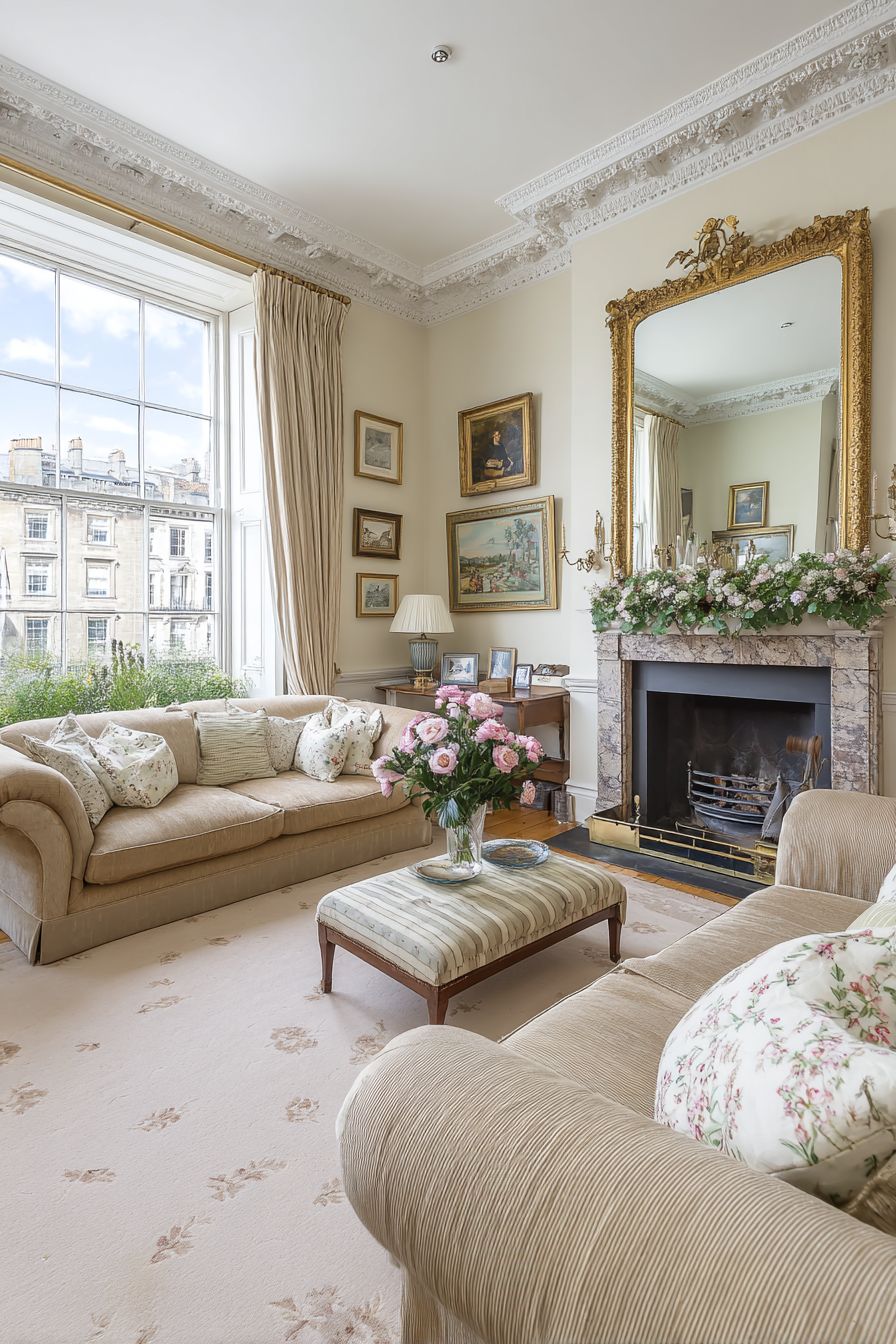
The beauty of wall mirrors lies in their incredible diversity. From ornate Venetian glass masterpieces that evoke old-world elegance to sleek frameless designs that embody contemporary minimalism, mirrors adapt seamlessly to virtually any aesthetic vision. They can anchor a room as bold focal points, work collectively in gallery wall arrangements, or subtly enhance spaces through thoughtful reflection and light manipulation. Understanding how to select, position, and style mirrors effectively transforms them from mere accessories into powerful design tools that can reshape entire rooms.
This comprehensive guide explores twenty-one distinctive wall mirror ideas, each showcasing unique applications, styles, and strategic placement techniques. From entryways that welcome guests with expansive reflections to intimate bedroom corners enhanced by vintage charm, these concepts demonstrate the remarkable range of possibilities mirrors offer. Whether you’re drawn to industrial edge, coastal serenity, bohemian eclecticism, or classic traditional styling, you’ll discover inspiring approaches to incorporating mirrors into your home that reflect your personal aesthetic while maximizing their spatial and luminous benefits.
1. Minimalist Entryway with Circular Black-Framed Mirror

The entryway sets the tone for your entire home, and a large circular mirror with a thin black metal frame creates an immediate impression of sophistication and simplicity. Mounted above a minimalist console table in clean Scandinavian styling, this mirror becomes both a practical last-minute checkpoint before leaving home and a light-multiplying element that opens up what is often a confined space. The circular form softens the angular architecture typically found in entryways, while the slender black frame provides just enough definition without overwhelming the clean aesthetic.

Natural light streaming through the front door reflects beautifully in the mirror’s surface, bouncing illumination deeper into your home and creating an airy, welcoming atmosphere that immediately puts guests at ease. The console table beneath serves as a functional landing zone for keys, mail, and small accessories, styled with intentional restraint—perhaps a ceramic vase holding dried pampas grass and a small wooden tray. This curated simplicity prevents visual clutter while maintaining the serene, uncluttered feeling essential to Scandinavian design philosophy.

The beauty of this arrangement lies in its effortless functionality combined with understated elegance. The mirror’s generous proportions provide full upper-body reflection for quick appearance checks, while its placement draws the eye upward, making standard ceiling heights feel more expansive. The monochromatic palette of black frame against white or neutral walls creates graphic impact without introducing color complexity, allowing the mirror to integrate seamlessly with virtually any existing decor scheme you might evolve toward over time.

Key Design Tips:
- Select a circular mirror diameter of 30-36 inches for standard entryways to achieve proper scale without overwhelming the space
- Position the mirror’s center approximately 57-60 inches from the floor, which is gallery height and ideal for most adults
- Choose console tables no wider than 30 inches deep to maintain walkway clearance in narrow entryways
- Limit console styling to 3-5 objects maximum to preserve the minimalist aesthetic and prevent visual clutter
- Consider mirrors with slightly recessed frames that create subtle shadow lines for added dimensional interest
2. Modern Bathroom with LED-Backlit Frameless Mirror

Contemporary bathroom design reaches new heights with frameless rectangular mirrors featuring integrated LED backlighting that creates an ethereal floating effect against the wall. Mounted above a floating walnut vanity, this mirror transforms routine grooming into a spa-like experience through its combination of clean geometric lines and functional illumination. The absence of a traditional frame allows the mirror to blend seamlessly with white subway tiles, creating an uninterrupted visual flow that makes the bathroom feel larger and more cohesive.

The integrated LED lighting serves multiple purposes beyond mere aesthetics. It provides even, shadow-free illumination ideal for makeup application and grooming tasks while eliminating the harsh shadows often cast by overhead lighting. The warm glow creates ambiance during evening routines, and many LED mirrors feature dimmable controls that let you adjust brightness according to time of day and activity. This technological integration represents the modern approach to bathroom design where smart functionality enhances daily rituals without compromising visual elegance.

Brushed gold fixtures complement the warm walnut wood tones beautifully, introducing subtle metallic accents that elevate the space without overwhelming the clean contemporary aesthetic. The floating vanity contributes to the airy feeling by revealing floor space beneath, making even modest-sized bathrooms feel more spacious. This design approach demonstrates how mirrors can transcend their traditional role to become integrated architectural elements that define the character of a space.

Key Design Tips:
- Choose LED color temperature between 3000-4000K for the most flattering and functional bathroom lighting
- Ensure mirror width matches or slightly exceeds vanity width for proper proportional balance
- Install LED mirrors on dedicated circuits with proper moisture ratings for bathroom safety
- Consider mirrors with built-in defoggers to maintain clarity in steamy bathroom conditions
- Position the mirror to reflect natural window light when possible, multiplying daylight during morning routines
3. Romantic Bedroom with Arched Antique Brass Mirror

An arched full-length mirror with ornate antique brass framing creates an instantly romantic focal point when leaning gracefully against a bedroom wall. This relaxed positioning approach, rather than rigid wall mounting, introduces an element of casual elegance that feels collected and curated rather than rigidly designed. Positioned near a vintage velvet armchair, this arrangement creates a dedicated dressing nook that combines function with visual poetry—a space where getting ready becomes a more leisurely, intentional experience.

Soft morning light filtering through linen curtains plays across the mirror’s decorative brass frame, highlighting the intricate details that might include scrollwork, beading, or architectural motifs reminiscent of classical design. The gentle illumination creates subtle highlights and shadows that bring dimensional depth to the metallic surface, making the frame itself a work of art worthy of appreciation. A small area rug beneath the mirror and chair grounds this corner vignette, defining it as a distinct zone within the larger bedroom while adding another layer of texture and warmth underfoot.

This styling approach works particularly well in bedrooms where you want to cultivate a sense of old-world charm without committing to full-scale period decoration. The substantial presence of a full-length mirror provides undeniable practicality for dressing and outfit assessment, while the ornate framing and leaning placement prevent the space from feeling too utilitarian. The brass finish introduces warm metallic notes that pair beautifully with jewel-tone textiles, rich woods, and the soft, lived-in quality that makes bedrooms feel truly personal.

Key Design Tips:
- Choose arched mirrors between 65-75 inches tall for proper full-length reflection while leaning
- Position mirrors at least 6-8 inches from the wall when leaning to prevent tipping and create shadow depth
- Place anti-slip pads beneath the mirror frame to protect flooring and prevent sliding
- Ensure adequate natural or artificial lighting near the mirror for practical dressing functionality
- Layer the area with complementary textures like velvet, linen, and wool to enhance the romantic aesthetic
4. Eclectic Dining Room with Vintage Mirror Gallery Wall

A curated collection of vintage mirrors in varying sizes and mismatched frames creates an eclectic focal point that brings personality and visual intrigue to dining spaces. This gallery wall approach features five or more mirrors with diverse framing—gold gilt showing baroque flourishes, distressed white wood with chippy paint revealing layers of history, and weathered bronze with verdigris patina. Arranged above a rustic farmhouse dining buffet, this collection becomes a conversation piece that reflects both light and the carefully cultivated aesthetic sensibilities of the homeowner.

The asymmetrical composition follows gallery wall principles where mirrors are arranged to create visual balance despite their irregular sizing and shapes. This approach requires a more intuitive design eye than symmetrical arrangements, but the results feel organic and personally meaningful rather than formulaic. Natural oak wood tones and white walls provide a neutral backdrop that allows the diverse mirror frames to shine without competing with busy wallpaper or bold paint colors. The reflective surfaces multiply candlelight during dinner parties, creating a warm, flickering ambiance that enhances the dining experience.

Each mirror in the collection tells its own story through frame details and aging characteristics. Perhaps one features hand-carved details suggesting European craftsmanship, while another shows the simplified lines of American mid-century design. This mixing of eras and styles epitomizes the eclectic aesthetic that celebrates individuality over matching sets. The collection can grow organically over time as you discover pieces at antique markets, estate sales, or family attics, making the gallery wall a living design element that evolves with your tastes and discoveries.

Key Design Tips:
- Lay out the complete gallery arrangement on the floor before mounting to finalize placement and spacing
- Maintain 2-4 inches between mirror frames for visual breathing room without excessive gaps
- Use a variety of mirror shapes (round, rectangular, oval, octagonal) alongside frame style variation
- Position the visual center of the gallery at approximately 57-60 inches from the floor for proper height
- Incorporate at least one larger anchor mirror (18-24 inches) to ground the composition and prevent a scattered appearance
5. Space-Enhancing Small Living Room with Large Horizontal Mirror

In compact living spaces, a large rectangular mirror with thick reclaimed wood framing positioned horizontally above a grey linen sofa performs spatial magic that few other design elements can match. The horizontal orientation emphasizes width rather than height, visually expanding the room’s proportions and counteracting the boxy feeling common in small apartments. This mirror doesn’t just hang on the wall—it fundamentally alters spatial perception by reflecting the opposite window, effectively doubling the natural light while creating a sense of visual depth that makes the room feel significantly larger.

The substantial reclaimed wood frame introduces textural richness and organic warmth that prevents the mirror from feeling too slick or commercial. Each piece of weathered wood brings its own character through grain patterns, nail holes, knots, and color variation—imperfections that tell stories of previous lives in barns, factories, or old homes. This rustic frame material beautifully balances the refined simplicity of the grey linen sofa, creating that desirable high-low mix that makes spaces feel carefully considered rather than showroom-staged.

Neutral throw pillows in varied textures and a chunky knit blanket draped casually over the sofa arm add layers of comfort without introducing visual clutter. The mirror becomes particularly magical during golden hour when low-angle sunlight fills the space with warm illumination that reflects throughout the room. This strategic placement transforms a single window’s light into what feels like multiple light sources, brightening corners that would otherwise remain dim and making the entire space feel more open and inviting.

Key Design Tips:
- Select mirrors that span 75-85% of the sofa width for proper proportional relationship
- Mount the mirror 6-10 inches above the sofa back to create connection while allowing adequate clearance
- Position sofas opposite windows when possible to maximize the light-reflecting benefits of mirrors
- Choose reclaimed wood frames with sealed finishes to prevent wood particles from damaging walls or fabrics
- Layer front-of-sofa elements like coffee tables and rugs to prevent the mirror from reflecting ceiling or awkward angles
6. Mid-Century Modern Living Room with Gold Sunburst Mirror

A sunburst mirror with radiating gold metal spikes commands attention as both functional reflection and sculptural wall art in mid-century modern interiors. Positioned on a rich navy blue feature wall, this iconic design piece embodies the era’s love affair with geometric forms, luxurious materials, and bold decorative statements. The dramatic rays extending from the central mirror create dynamic visual energy that draws the eye and establishes a clear focal point, while the gold finish introduces warm metallic glamour that elevates the entire space.

Above a teak credenza with signature tapered legs, the sunburst mirror becomes part of a carefully composed vignette that celebrates authentic mid-century design principles. The warm wood tones of Danish teak harmonize beautifully with the gold metallic finish, creating a cohesive color story rooted in the natural and refined materials favored during the 1950s and 60s. A brass table lamp and carefully selected ceramic accessories extend the metallic theme while maintaining the clean, uncluttered aesthetic essential to this design movement.

The navy blue wall provides perfect contrast that makes the gold sunburst absolutely pop—a color combination that feels both vintage-authentic and remarkably current. This backdrop allows the mirror’s geometric form to be fully appreciated, its rays creating intricate shadow patterns that change throughout the day as natural light shifts. The sculptural quality of sunburst mirrors means they function as art even when you’re not directly using the reflective surface, justifying their often-substantial price points through dual-purpose functionality.

Key Design Tips:
- Choose sunburst mirrors between 30-40 inches in diameter for proper visual impact without overwhelming the wall
- Position the mirror at eye level when standing (approximately 60-65 inches to center) for best proportional appearance
- Ensure adequate wall space around the mirror—at least 12-18 inches of clearance on all sides for the rays to be fully appreciated
- Select metal finishes in true gold, brass, or bronze rather than overly shiny gold-colored plastics for authentic period appearance
- Balance the mirror’s complexity by keeping surrounding wall decor minimal or eliminating it entirely
7. Contemporary Bedroom with Oversized Round Mirror Above Headboard

Breaking from traditional artwork placement, an oversized round mirror with a wide black frame mounted above the headboard creates unexpected modern drama in bedroom design. This bold choice challenges conventional wisdom while delivering both aesthetic impact and practical functionality. The substantial circular form contrasts beautifully with the typically rectangular architecture of beds, headboards, and room proportions, introducing organic geometry that softens the space while making a confident design statement.

White bedding with textured linen duvet provides crisp contrast against the charcoal grey upholstered bed frame, creating a sophisticated monochromatic foundation that allows the black-framed mirror to integrate seamlessly. The neutral palette prevents visual competition between elements while demonstrating how strategic use of varied textures—smooth metal frame, woven linen, soft upholstery—creates interest within a limited color range. Natural morning light from side windows reflects in the mirror’s surface, bouncing illumination throughout the room and creating an ever-changing play of light that brings the space to life.

This design approach particularly appeals to those seeking contemporary aesthetics without cold minimalism. The round form introduces approachability and softness often missing in ultra-modern spaces, while the mirror’s practical function allows for last looks before leaving the bedroom. The reflection also creates the illusion of additional windows or architectural openings, subtly enhancing the room’s perceived spaciousness—particularly valuable in bedrooms with limited square footage or those lacking abundant natural light.

Key Design Tips:
- Select mirrors with diameters between 40-48 inches for queen-size beds, scaling proportionally for other bed sizes
- Mount the mirror’s bottom edge 6-12 inches above the headboard top for proper visual connection
- Ensure secure wall anchoring into studs given the substantial weight of large framed mirrors
- Keep headboard designs simple and low-profile to prevent visual competition with the mirror
- Consider the mirror’s reflection—avoid positioning it to reflect cluttered closets or bathroom doorways
8. Modern Home Office with Geometric Hexagonal Mirror Cluster

Three hexagonal mirrors with thin brass frames arranged in a honeycomb cluster pattern introduce geometric sophistication to modern home office spaces. This contemporary approach to mirror grouping creates architectural interest while maintaining the clean aesthetic essential for productive work environments. Mounted on a light grey wall above a minimalist white desk with natural wood legs, the brass hexagons catch and reflect light from multiple angles, adding visual dynamism to what might otherwise be a purely functional space.

The geometric arrangement speaks to current design trends that celebrate angular forms and mathematical precision, yet the brass frames introduce organic warmth that prevents the composition from feeling too rigid or technical. This balance between geometric structure and warm metallics characterizes successful modern design that feels approachable rather than austere. A potted snake plant adds living greenery that brings life to the workspace, while a brass desk lamp extends the metallic theme and provides focused task lighting for detailed work.

Natural daylight from a nearby window plays across the hexagonal mirrors throughout the day, creating shifting patterns of reflection and refraction that bring subtle movement to the static office environment. This ever-changing interplay of light prevents the workspace from feeling monotonous during long work sessions. The mirrors also provide quick appearance checks before video calls—an increasingly important function in our hybrid work world—without requiring a full vanity mirror that might feel out of place in a professional home office setting.

Key Design Tips:
- Arrange three hexagons in a triangular cluster for visual stability and geometric balance
- Space individual hexagonal mirrors 1-2 inches apart to read as a unified composition rather than separate elements
- Position the cluster at eye level when seated (approximately 45-50 inches from the floor) for video call checking convenience
- Choose hexagonal mirrors with sides measuring 8-12 inches for appropriate office-scale impact
- Maintain metallic consistency between mirror frames and desk accessories for cohesive design
9. Coastal Bathroom with Driftwood-Framed Mirror

A rectangular mirror framed in authentic driftwood with natural weathered texture and rope detail hanging above a whitewashed vanity captures the relaxed essence of coastal design. Each piece of driftwood brings the organic irregularity of ocean-tumbled wood—smooth surfaces worn by sand and waves, silver-grey toning from sun exposure, and the occasional barnacle mark or rope wear that tells stories of maritime origins. This natural framing creates instant connection to beach environments without relying on obvious nautical motifs or literal seashell decorations.

Sea glass accessories in soft blues, greens, and frosted whites dot the vanity surface alongside woven storage baskets that introduce additional natural texture. These carefully curated elements reinforce the coastal theme through color and material rather than heavy-handed beach iconography. The whitewashed vanity contributes to the light, airy feeling essential to successful coastal interiors, its slightly distressed finish suggesting weathered beach cottages and salt air rather than pristine suburban newness.

Soft natural light filtering through a frosted window highlights the organic materials and creates the gentle, diffused illumination characteristic of seaside environments on overcast days. This quality of light prevents harsh shadows while maintaining brightness—ideal for bathroom functionality while supporting the relaxed aesthetic. The overall effect feels authentically collected from coastal environments rather than purchased as a coordinated set, achieving that desirable “beach house that’s been in the family for generations” feeling even in landlocked locations.

Key Design Tips:
- Verify driftwood frames are properly sealed and moisture-treated for bathroom humidity exposure
- Select mirrors with driftwood pieces arranged to maintain some asymmetry for authentic natural appearance
- Limit color palette to whites, soft blues, sandy beiges, and weathered greys to maintain cohesive coastal feel
- Incorporate varied natural textures like rope, seagrass, linen, and woven materials throughout the bathroom
- Keep decorative accessories minimal and functional—soap dispensers in sea glass colors, woven baskets for storage
10. Dramatic Bedroom with Floor-to-Ceiling Paneled Mirror Wall

Floor-to-ceiling paneled mirrors with subtle beveled edges and thin silver trim create dramatic spatial illusion in compact bedrooms where every visual trick matters. This bold installation approach transforms a single wall into a reflective surface that effectively doubles the room’s perceived size while multiplying available light. The paneled construction with beveled edges adds architectural interest that prevents the mirror wall from reading as a single flat expanse, instead creating dimensional depth through the interplay of angled mirror edges and silver trim lines.

A grey upholstered bed with pristine white linens sits opposite this mirror wall, its reflection creating the illusion of a much larger space—almost as if the room extends infinitely beyond the mirror plane. This placement requires careful consideration of what the mirror reflects; positioning it opposite windows maximizes natural light multiplication, while reflecting attractive furniture arrangements creates pleasing symmetry. The reflective wall becomes particularly magical in evening hours when bedside lamps create warm glowing reflections that enhance ambient lighting throughout the entire space.

This design approach works exceptionally well in urban apartments or converted attics where ceiling height might be generous but floor space is limited. The vertical emphasis of floor-to-ceiling mirrors draws the eye upward, making ceilings feel higher while the reflection creates horizontal expansion. The silver trim provides necessary visual breaks that prevent the installation from feeling like a dance studio mirror, instead reading as intentional architectural design. Professional installation is essential given the weight and precision required for seamless paneling.

Key Design Tips:
- Use mirror panels no wider than 36 inches for easier installation and to prevent bowing or distortion
- Ensure all mirror edges are properly sealed and polished to prevent moisture damage and safety hazards
- Position furniture arrangements opposite the mirror thoughtfully—reflect attractive elements, not clutter or doorways
- Install adequate wall anchoring and blocking during construction to support the substantial mirror weight
- Consider what morning light will reveal—position beds so mirrors don’t reflect occupants at vulnerable moments
11. Industrial Loft Living Room with Riveted Metal-Frame Mirror

An industrial-style mirror with riveted metal frame and dark bronze finish brings authentic warehouse character to loft apartment living rooms. The frame’s utilitarian aesthetic—visible rivets, raw metal edges, and darkened finish suggesting age and use—speaks to the industrial design movement’s celebration of honest materials and functional beauty. Mounted against exposed brick walls, this mirror becomes a focal point that honors the building’s architectural heritage while serving contemporary residential needs.

The mirror’s raw, mechanical aesthetic complements black metal shelving units and rich leather seating that carry through the industrial theme with material authenticity. Edison bulb pendant lights suspended from exposed ceiling beams or industrial track lighting create warm ambient glow that softens the harder edges of metal and brick while casting dramatic shadows that emphasize texture. This interplay of rough and refined materials characterizes successful industrial design—spaces that acknowledge their factory origins while achieving residential comfort.

Despite the mirror’s robust industrial styling, its reflective surface introduces an unexpected softening element to the space. Reflections of living greenery, textile elements, and human activity bring life to the mirror, creating contrast with the frame’s mechanical aesthetic. This juxtaposition prevents the space from feeling too austere or museum-like, achieving that difficult balance between authentic industrial design and livable residential comfort. The mirror multiplies both natural and artificial light sources, particularly valuable in loft spaces where windows might be limited or positioned primarily along one wall.

Key Design Tips:
- Choose mirrors with authentic welded or riveted frames rather than plastic imitations for period-appropriate appearance
- Mount mirrors securely given their substantial weight—industrial frames are genuinely made from metal, not lightweight alternatives
- Balance hard industrial elements with soft textiles like leather, wool, and linen to prevent spaces from feeling cold
- Position mirrors to reflect warmer elements like wood, plants, or textiles rather than only reflecting metal and brick
- Maintain exposed brick in its natural state rather than painting it to preserve authentic industrial character
12. Bohemian Bedroom with Rattan-Framed Round Mirror

A round mirror with natural rattan-woven frame hung with macramé cord above a low platform bed epitomizes the relaxed, globally-inspired aesthetic of bohemian design. The rattan frame brings organic texture and warm honey tones that immediately soften the space while connecting to the natural-fiber movement central to boho styling. The handcrafted quality of woven rattan—where individual reeds are bent, wrapped, and secured to create circular form—introduces artisanal character that mass-produced frames cannot replicate.

Layered textiles covering the platform bed tell a visual story of collected travels and eclectic sensibilities—perhaps a suzani throw with embroidered medallions, an indigo mudcloth pillow, and a vintage kantha quilt in faded florals. The wall surrounding the mirror becomes a personal gallery featuring dried flowers in bohemian arrangements, woven wall hangings with fringe details, and string lights that create soft twinkling illumination during evening hours. This maximalist approach to wall decoration creates the rich visual density that characterizes authentic bohemian spaces.

Natural daylight filters through gauze curtains, creating the soft, diffused illumination that enhances the relaxed atmosphere essential to boho interiors. The lightweight fabric moves gently with air currents, adding subtle motion that brings the space to life. The overall effect feels handcrafted and personally curated—a space that has evolved organically over time rather than being designed and purchased in a single shopping trip. The rattan mirror serves as both functional object and decorative talisman, its natural materials and circular form connecting to bohemian design’s roots in global craft traditions.

Key Design Tips:
- Hang rattan mirrors with natural-fiber cordage like jute, hemp, or macramé to maintain material consistency
- Layer multiple textures throughout the room—woven baskets, knitted throws, embroidered textiles, carved wood
- Embrace slight imperfections in handwoven rattan frames as evidence of authentic craftsmanship
- Incorporate living plants extensively—hanging pothos, trailing string of pearls, large floor palms
- Mix pattern freely but maintain a cohesive color story of warm neutrals, terracottas, indigos, and saffron tones
13. Minimalist Powder Room with Frameless Polished-Edge Mirror

In minimalist powder rooms where restraint defines beauty, a sleek frameless mirror with polished edges mounted above a concrete vessel sink represents the ultimate in reductive design. The absence of framing allows the mirror to disappear into the architecture, becoming an almost invisible element that serves its reflective function without demanding visual attention. The polished edges catch light subtly, providing just enough definition to distinguish the mirror from wall surface while maintaining the clean, uninterrupted aesthetic essential to minimalist philosophy.

The concrete vessel sink introduces sculptural form and material honesty—its slight surface variations and natural grey toning celebrated as inherent beauty rather than flaws requiring concealment. Positioned on a floating shelf that seems to extend directly from the wall, the sink contributes to the weightless feeling that characterizes successful minimalist spaces. A single succulent in a simple ceramic pot provides the room’s only organic element, its living presence offering visual relief without compromising the restrained aesthetic or introducing unnecessary decoration.

This design approach demonstrates how mirrors can transcend their traditional role to become integrated architectural elements rather than applied decoration. The frameless installation creates seamless integration between mirror, wall, and surrounding elements, allowing the room’s clean lines and monochromatic grey palette to establish the design narrative. The power of this space lies not in what’s added but in what’s removed—every element that remains has earned its presence through either functional necessity or minimal aesthetic contribution.

Key Design Tips:
- Specify polished mirror edges ground to at least 1-inch bevel width for safety and light-catching effect
- Size frameless mirrors to align precisely with vanity or sink width for satisfying geometric proportion
- Install frameless mirrors with professional-grade adhesive and clips designed specifically for this purpose
- Maintain strict monochromatic color palette—limit to 2-3 shades of grey plus one metallic accent
- Select plumbing fixtures in brushed or matte finishes rather than polished chrome to maintain subtle aesthetic
14. Formal Dining Room with Ornate Venetian-Style Mirror

An ornate Venetian-style mirror with intricate etched glass details and silver leaf frame brings European grandeur to formal dining rooms. This spectacular piece represents centuries of Venetian glassmaking tradition where mirrors were hand-crafted works of art rather than utilitarian objects. The frame’s silver leaf finish provides cool metallic elegance that catches and reflects candlelight during dinner parties, while etched glass panels within the mirror itself create additional layers of visual complexity through their frosted patterns and decorative motifs.

Positioned above a marble-topped sideboard, the mirror becomes the centerpiece of a sophisticated dining room vignette. Crystal decanters filled with amber spirits and silver candlesticks arranged below create a formal serving area that speaks to traditional entertaining customs. When candles are lit, the mirror amplifies their flickering glow while the crystal and silver accessories create prismatic light effects that transform the dining experience into something truly special. This layering of reflective and light-catching elements creates the luxurious atmosphere associated with formal European dining traditions.

The mirror’s ornate detailing demands adequate wall space to be fully appreciated—crowding it with additional artwork or decor would diminish its impact. Instead, the mirror commands attention as the room’s singular decorative focus, its elaborate frame providing sufficient visual interest to fill the wall plane above the sideboard. This approach to mirror placement as primary artwork rather than supplementary accessory characterizes traditional formal design where fewer, more significant pieces create lasting impression.

Key Design Tips:
- Allow at least 18-24 inches of clear wall space on all sides of ornate mirrors for proper visual breathing room
- Position mirrors to reflect dining table chandelier for doubled light effect during evening entertaining
- Polish silver leaf frames occasionally to maintain their reflective quality and prevent tarnishing
- Balance ornate mirrors with simpler surrounding elements to prevent visual overwhelm
- Select mirrors with hand-applied silver leaf rather than painted silver finishes for authentic appearance and quality
15. Functional Modern Entryway with Horizontal Gold-Frame Mirror

A horizontal rectangular mirror with thin gold metal frame positioned above a narrow console table with hairpin legs creates a perfectly balanced modern entryway that combines style with practical organization. The slender gold frame provides definition and warmth without visual weight, allowing the mirror to feel light and contemporary while introducing subtle metallic glamour. The horizontal orientation emphasizes the width of the space rather than height, creating visual expansion particularly valuable in narrow entry halls where width is at a premium.

Practical organization elements integrate seamlessly into the design—woven baskets tucked beneath the console provide concealed storage for shoes, reusable shopping bags, or seasonal accessories, while a ceramic dish on the console surface corrals keys and loose change. A round wall hook board mounted beside the mirror adds vertical functionality for coats, scarves, and bags without requiring a bulky coat closet or standalone rack. This thoughtful layering of function ensures the entryway serves its purpose as a transitional zone while maintaining visual appeal.

Natural light from a nearby window or glass-paneled front door reflects in the mirror, multiplying available illumination and creating a bright, welcoming entry that sets a positive tone for the entire home. The console’s hairpin legs maintain visual lightness by revealing floor space beneath, preventing the furniture from feeling heavy despite its functional role. This balance between storage needs and aesthetic lightness characterizes successful small-space design where every element must earn its presence through dual-purpose functionality.

Key Design Tips:
- Select console tables between 12-18 inches deep for narrow entryways to maximize walkway clearance
- Position mirrors at appropriate height for average adult users—typically 57-60 inches to mirror center
- Limit console top to 3-5 items maximum to prevent clutter accumulation in this high-traffic zone
- Choose woven baskets with lids or closed-top designs to conceal contents and maintain organized appearance
- Install adequate entryway lighting—overhead fixture plus table lamp if space permits—for evening functionality
16. Farmhouse Bathroom with Vintage Apothecary-Style Mirror

A vintage apothecary-style mirror featuring multiple small panes in grid pattern and distressed white wooden frame brings authentic farmhouse character to bathrooms. This mirror type references historical medicine cabinets and apothecary shop displays where compartmentalized glass allowed organization of small bottles and supplies. The multi-pane construction creates visual interest through its grid geometry while the distressed white finish suggests decades of use, painted layers, and the gentle wear that gives farmhouse interiors their collected-over-time authenticity.

Shiplap walls provide the quintessential farmhouse backdrop, their horizontal lines and subtle shadow gaps creating textural interest without pattern complexity. A classic porcelain pedestal sink continues the vintage theme with its elegant curves and traditional form, offering a refreshing alternative to modern vanity cabinets. Mason jar sconces with Edison bulbs flank the mirror, their warm amber glow creating the perfect lighting for this space while extending the authentic vintage aesthetic through period-appropriate fixture choices.

The charming imperfections throughout this design—chippy paint revealing previous color layers, slightly uneven shiplap installation suggesting hand-done work, variations in Edison bulb filament patterns—create the authentic character that distinguishes genuine farmhouse style from sterile replications. This embrace of imperfection and patina represents a philosophical approach where age and use add value rather than diminishing it, celebrating the beauty of well-loved objects and spaces that have served families across generations.

Key Design Tips:
- Seek authentic vintage mirrors at architectural salvage yards or antique markets for true character
- If purchasing new reproduction mirrors, select those with genuine wood frames and realistic distressing techniques
- Install moisture-resistant shiplap boards properly sealed for bathroom humidity exposure
- Choose Edison bulbs with visible filaments in warm color temperatures (2200-2700K) for authentic vintage glow
- Layer in additional vintage elements like wire baskets, enamelware, and antique textiles to complete the aesthetic
17. Contemporary Living Room with Organic-Shaped Frameless Mirror

An asymmetrical organic-shaped mirror with irregular edges and no frame creates a modern artistic statement on textured white plaster walls. This free-form mirror type represents current design trends that celebrate natural, flowing forms over geometric rigidity. The mirror’s irregular silhouette might suggest a water puddle, an artist’s brushstroke, or windblown shapes—each custom-cut piece unique and unrepeatable. This organic form introduces softness and artistic sensibility that balances the clean lines of contemporary furniture while serving as genuine art that happens to be functional.

The mirror’s sculptural quality becomes apparent when viewed from different angles throughout the day as changing light creates varied shadow patterns around its irregular perimeter. Against textured white plaster walls, these shadows gain additional dimensional depth, transforming the wall plane into a dynamic surface rather than flat backdrop. Clean-lined furniture including a grey sectional sofa and glass coffee table provides minimalist context that allows the mirror’s unusual form to command attention without competition from other decorative elements.

Natural afternoon light streaming through windows creates interesting reflections that shift throughout the day, the mirror’s organic shape fragmenting and refracting light in unexpected ways. This interplay between form, light, and reflection transforms the mirror from simple functional object to interactive art installation that brings continuous visual interest to the living room. The frameless construction emphasizes the mirror’s shape itself, allowing its silhouette to be the star rather than any decorative border or frame treatment.

Key Design Tips:
- Custom-order organic-shaped mirrors from glass suppliers who can execute your desired form with polished edges
- Position asymmetrical mirrors where their unusual shapes won’t create awkward negative space or unbalanced compositions
- Keep surrounding wall decor minimal or eliminate it entirely—organic mirrors function as standalone art pieces
- Ensure adequate wall space around irregular shapes for their forms to be fully appreciated and read clearly
- Consider what the mirror reflects—position it to capture attractive room elements or natural light sources
18. Traditional Bedroom with Symmetrical Twin Mirrors

A pair of matching rectangular mirrors with carved wooden frames in warm walnut finish hung symmetrically on either side of a window creates balanced, classical focal points in traditional bedrooms. This twin mirror approach references historical design principles where symmetry conveyed order, refinement, and intentional composition. The matching frames feature carved details that might include rope molding, acanthus leaves, or geometric chip carving—decorative elements that add visual interest while maintaining the restrained elegance characteristic of traditional design.

A white iron bed with quilted coverlet sits centered below the window, creating a symmetrical room arrangement that feels calm and purposeful. The quilted textile introduces subtle pattern and texture while maintaining the predominantly neutral palette that allows the walnut mirror frames to provide warm wood tones. Table lamps on matching nightstands provide soft evening lighting, their placement flanking the bed extending the symmetrical design principle throughout the entire room composition.

This approach to mirror placement demonstrates how traditional design creates comfort through predictability and balance. The twin mirrors frame the window view while serving practical functions—perhaps one reflects the morning light while you dress, the other catches evening illumination. The symmetry creates inherent harmony that doesn’t require additional decoration or complexity, proving that sometimes the most elegant design solutions follow classical principles that have satisfied humans for centuries.

Key Design Tips:
- Hang matching mirrors at identical heights with equal spacing from the window frame for perfect symmetry
- Select mirror frames that complement rather than exactly match wood furniture tones to prevent monotony
- Ensure nightstands and lamps mirror each other in style and placement to extend the symmetrical composition
- Size mirrors proportionally to windows—typically mirrors should be 50-65% of window width
- Position the bed to benefit from dual mirror reflection without reflecting awkward angles or private moments
19. Contemporary Master Bathroom with Backlit LED Touch-Control Mirror

A backlit LED mirror with rounded corners and touch-sensitive controls represents the cutting edge of contemporary bathroom design where technology integrates seamlessly with aesthetics. Mounted above a double vanity with quartz countertop, this smart mirror provides even illumination for grooming through perimeter LED lighting that eliminates the harsh shadows cast by overhead fixtures. The integrated lighting creates a modern floating effect as the mirror appears to hover luminously against the wall, its rounded corners softening the geometric form while maintaining contemporary sensibility.

Touch-sensitive controls allow users to adjust brightness levels, and many models include additional features like color temperature adjustment, built-in defoggers, or even Bluetooth speakers for morning music. This technological integration represents contemporary design’s embrace of smart home features that enhance daily routines without compromising visual elegance. The mirror’s even illumination makes it ideal for detailed tasks like makeup application or shaving while the dimmable feature allows ambient mood lighting for relaxing evening baths.

Matte black fixtures and grey porcelain tiles complete the sophisticated palette, their neutral tones creating a calming environment while allowing the mirror’s technological features to shine without visual competition. The double vanity provides practical benefits for couples while the generous quartz surface offers ample space for bathroom essentials. This design approach demonstrates how contemporary bathrooms can be simultaneously high-tech and spa-like, combining smart functionality with the serene aesthetics that make bathrooms true sanctuaries.

Key Design Tips:
- Specify LED mirrors with appropriate IP ratings (IP44 minimum) for bathroom moisture exposure
- Install mirrors on dedicated electrical circuits with GFCI protection for safety compliance
- Choose LED color temperature between 3000-4000K for most flattering and functional bathroom lighting
- Size backlit mirrors to match or slightly exceed vanity width for proper proportional balance
- Consider mirrors with memory functions that retain your preferred brightness and color settings
20. French Country Living Room with Large Antiqued Mirror

A large antiqued mirror with distressed silver frame showing intentional dark spots and foxing creates vintage character in French country living rooms. This mirror type embraces the patina of age rather than fighting against it—the silvering shows deliberate degradation creating the cloudy spots and darkened areas called “foxing” that occur naturally in antique mirrors over decades. These imperfections, rather than being flaws, become the mirror’s most desirable characteristics, providing instant age and authenticity that new mirrors cannot replicate.

The mirror leans casually against the wall above a painted chest, surrounded by botanical prints in simple frames and dried lavender bundles tied with twine. This relaxed styling approach characterizes French country design where pieces appear collected over generations rather than purchased as coordinated sets. Soft natural light through lace curtains creates gentle illumination that plays across the mirror’s aged surface, highlighting both its reflective areas and its deliberately degraded silvering. The effect feels like stepping into a French countryside cottage where furnishings have been passed through families for generations.

The distressed silver frame complements the painted furniture common in French country interiors—perhaps the chest below features milk paint in faded blue-grey with strategic sanding revealing wood beneath. This aesthetic celebrates authentic aging processes and the beauty of materials that improve with time and use. The mirror becomes not just a functional object but a decorative element that tells stories, suggesting provenance from Parisian flea markets, provincial antique shops, or family estates.

Key Design Tips:
- Purchase genuinely aged mirrors from antique dealers or create authentic aging effects through professional restoration techniques
- Avoid obviously fake aging—authentic foxing appears random and organic, not perfectly spaced or symmetrical
- Position antiqued mirrors away from high-moisture areas to preserve their delicate aged silvering
- Style surrounding elements to support the collected aesthetic—mixing periods, patinas, and styles purposefully
- Embrace the slight distortion common in old glass—waviness and imperfection are authentic characteristics to preserve
21. Scandinavian Dining Room with Simple Oak-Framed Round Mirror

A simple round mirror with light oak wooden frame hung above a natural wood dining table with white chairs embodies the functional beauty and understated elegance of Scandinavian design. The light oak frame brings warm wood tones while maintaining the pale, neutral palette essential to Nordic aesthetics. The circular form introduces organic softness to balance the dining table’s rectangular geometry, while the simple frame design—free from ornate carving or embellishment—demonstrates the Scandinavian principle that beauty emerges from honest materials and clean forms rather than applied decoration.

The mirror’s strategic positioning reflects a window opposite, creating a brilliant design move that bounces natural light throughout the dining space and creates visual connection between different areas of the home. This light-multiplying function proves especially valuable in northern climates where daylight hours are limited during winter months—every reflected ray counts toward creating the bright, airy spaces Scandinavians cultivate to counteract long, dark seasons. The resulting room feels larger and more luminous than its actual dimensions suggest.

Minimal styling maintains the Nordic aesthetic—perhaps a single vase holding fresh greenery in the table’s center, a linen table runner in natural fiber tones, or simple ceramic dinnerware in matte white. This restraint creates spaces that feel calm rather than cluttered, focusing attention on natural materials, clean lines, and the essential elements required for comfortable living. The mirror becomes an integral part of this philosophy, serving its practical function while contributing to the room’s serene beauty through its simple, honest design.

Key Design Tips:
- Select light wood frames in oak, birch, or ash to maintain authentic Scandinavian color palette
- Position mirrors to reflect natural light sources—windows, skylights, or glass doors—to maximize illumination
- Maintain strict color discipline—whites, soft greys, light woods, and minimal black accents only
- Embrace negative space as a design element—Scandinavian interiors breathe through generous empty areas
- Choose furniture with clean lines and functional design over decorative elements or ornate details
Why These Wall Mirror Ideas Work: Design Principles and Benefits
These twenty-one wall mirror concepts demonstrate the remarkable versatility mirrors bring to interior design across diverse styles, spaces, and functional needs. From industrial lofts to French country cottages, coastal bathrooms to minimalist powder rooms, mirrors adapt seamlessly while providing consistent benefits that transcend stylistic boundaries. Understanding why these designs succeed helps you apply similar principles in your own spaces, whether you’re following one of these concepts directly or adapting ideas to suit your unique needs.
Spatial Manipulation and Light Enhancement
The most powerful benefit mirrors provide is their ability to manipulate spatial perception and multiply available light—both natural and artificial. The small living room with horizontally-oriented reclaimed wood mirror demonstrates how strategic placement opposite windows effectively doubles perceived space through reflection. Similarly, the Scandinavian dining room’s round mirror positioned to reflect opposite windows brings this principle to Nordic interiors where maximizing limited daylight proves essential. This light-multiplication function transcends style, working equally well in contemporary bathrooms with LED-backlit mirrors and traditional dining rooms with ornate Venetian glass reflecting candlelight.
These mirror placements succeed because they consider the complete room composition rather than viewing mirrors as isolated elements. Positioning mirrors to reflect attractive features—windows, architectural details, beautiful furniture arrangements—creates positive visual effects, while avoiding mirrors that reflect cluttered closets, awkward doorways, or unflattering angles maintains aesthetic harmony. The floor-to-ceiling paneled mirror wall demonstrates maximum spatial impact, quite literally doubling the room’s perceived dimensions while the frameless design prevents the installation from feeling overwhelming.
Style Expression and Personality Communication
Each mirror design communicates distinct aesthetic sensibilities while remaining true to its style category’s core principles. The industrial riveted metal-frame mirror authentically expresses warehouse heritage through visible construction details and honest materials—not merely suggesting industrial style but embodying it through actual welded metal and functional rivets. Similarly, the bohemian rattan-framed mirror wrapped in natural fibers genuinely reflects global craft traditions rather than superficially referencing them through applied decoration.
This authenticity matters because it creates spaces that feel coherent and intentional rather than confused or derivative. The French country antiqued mirror with deliberate foxing and aged silvering succeeds because it embraces the aesthetic philosophy of celebrating patina and age rather than simply placing an old-looking mirror in a room. The mid-century modern sunburst mirror works because its geometric form, period-appropriate materials, and sculptural presence align with the era’s actual design principles rather than caricaturing them through obvious retro styling.
Functional Integration Beyond Mere Reflection
The most successful mirror installations serve multiple purposes simultaneously, justifying their presence through layered functionality. The modern entryway mirror provides last-minute appearance checking while multiplying light, visually expanding the confined space, and serving as attractive wall art—four distinct benefits from a single element. The contemporary bathroom’s LED-backlit smart mirror delivers task lighting, ambiance control, defogging capability, and grooming reflection through integrated technology that enhances daily routines without compromising sleek aesthetics.
This multi-functionality proves particularly valuable in smaller homes where every element must earn its place through diverse contributions. The bedroom’s arched full-length mirror leaning near a velvet chair creates a practical dressing area while introducing romantic architectural form and reflecting window light deeper into the room. The home office hexagonal mirror cluster provides video-call appearance checking while serving as geometric wall art that enlivens the workspace without introducing distracting decoration. This layered functionality characterizes thoughtful design where beauty and practicality intertwine rather than competing.
Material Authenticity and Textural Richness
Throughout these concepts, authentic materials and genuine textures create visual and tactile interest that elevates mirrors from simple reflective surfaces to significant design elements. The coastal bathroom’s driftwood frame brings ocean-tumbled wood texture that machine-made alternatives cannot replicate. The farmhouse apothecary mirror’s distressed white wood shows actual paint layers and genuine wear patterns rather than factory-applied distressing. The minimalist powder room’s polished-edge frameless mirror celebrates glass itself as beautiful material requiring no ornamental addition.
This material honesty extends to frame choices that complement rather than overwhelm their surroundings. The reclaimed wood frame in the small living room introduces organic warmth that balances the refined linen sofa, creating desirable high-low tension. The thin brass frames on hexagonal office mirrors provide definition without visual weight, maintaining the clean aesthetic essential for productive work environments. The carved walnut frames on traditional twin bedroom mirrors add decorative interest through actual craftsmanship rather than applied ornamentation, demonstrating how quality materials justify their presence through inherent beauty.
Scale, Proportion, and Compositional Balance
Successful mirror installations consider relationships between mirror size, frame proportions, surrounding furniture, and overall room scale. The oversized round mirror above the contemporary bedroom headboard works because its substantial size creates genuine impact rather than appearing timid or undersized. The horizontal orientation of the small living room mirror emphasizes width over height, directly addressing the space’s proportional challenges. The gallery wall of vintage mirrors above the farmhouse buffet achieves balance through careful arrangement of varied sizes rather than relying on matchy-matchy uniformity.
These proportional relationships extend to frame choices where width and detail level must complement mirror size and room scale. The thin black metal frame on the entryway’s circular mirror maintains visual lightness appropriate for confined spaces, while the ornate Venetian mirror’s substantial silver-leaf frame suits formal dining rooms where generous proportions and elaborate detail feel contextually appropriate. The frameless minimalist powder room mirror eliminates frame entirely, allowing clean lines and restrained aesthetics to define the space without decorative interruption.
Practical Implementation and Professional Results
These concepts succeed because they consider real-world implementation details including mounting methods, safety requirements, and maintenance needs. The leaning arched mirror in the romantic bedroom includes anti-slip pads and proper wall clearance preventing tipping hazards. The LED-backlit bathroom mirror specifies appropriate IP ratings for moisture exposure and GFCI-protected electrical circuits ensuring safety compliance. The floor-to-ceiling paneled mirror installation acknowledges the need for professional installation given weight considerations and precision requirements for seamless paneling.
Understanding these practical elements separates conceptual inspiration from achievable reality. The industrial loft mirror’s substantial metal frame requires secure stud mounting rather than simple drywall anchors. The antiqued French country mirror needs positioning away from high-moisture areas to preserve delicate aged silvering. The organic-shaped contemporary mirror necessitates custom ordering from glass suppliers who can execute irregular forms with properly polished edges. These practical considerations ensure that inspired design concepts translate into beautiful, safe, functional installations that stand the test of time.
Conclusion: Reflecting Your Personal Style
Wall mirrors represent one of interior design’s most versatile tools, capable of transforming spaces through light multiplication, spatial manipulation, and distinctive style expression. The twenty-one concepts explored throughout this guide demonstrate mirrors’ remarkable adaptability across design movements from industrial to bohemian, coastal to mid-century modern, traditional to contemporary. Whether you’re drawn to ornate Venetian elegance, minimalist restraint, farmhouse authenticity, or Scandinavian simplicity, mirrors offer pathways to express your aesthetic preferences while delivering practical benefits that improve daily living.
The key to successful mirror implementation lies in considering multiple factors simultaneously: the mirror’s inherent style and materials, its proportional relationship to surrounding elements, its functional role within the space, and the specific characteristics of light and architecture it will engage. A mirror positioned to reflect natural light transforms a dim corner into a bright, welcoming area. A mirror scaled appropriately to its supporting furniture creates satisfying visual balance. A mirror frame crafted from authentic materials contributes textural richness and lasting quality. These layered considerations separate mediocre mirror placement from transformative installations that genuinely elevate interior spaces.
Begin your mirror journey by assessing your needs: Do you require spatial expansion in a compact room? Light multiplication in a dim space? A practical grooming surface? A decorative focal point? Your answers will guide appropriate style, size, and placement decisions. Don’t hesitate to experiment—mirrors can be repositioned more easily than built-in features, allowing evolution as your tastes develop. Consider starting with one significant mirror installation that addresses your primary need, then layering additional mirrors over time as you discover new opportunities. With thoughtful selection and strategic placement, wall mirrors will reflect not just your image but your unique design sensibility and the intentional, beautiful home you’re creating.
